











![[FA] SIT One SITizen Alumni Initiative_Web banner_1244px x 688px.jpg](/sites/default/files/2024-12/%5BFA%5D%20%20SIT%20One%20SITizen%20Alumni%20Initiative_Web%20banner_1244px%20x%20688px.jpg)
Class of 2013 alumnus Cheang Jian Ming has built his career in spaces without a defined playbook. Whether it is in solar manufacturing or leading multi-million-euro investments in new markets, his journey reflects how SIT graduates succeed in new and complex environments when they lean into their applied learning.
When Cheang Jian Ming graduated in 2013 as the valedictorian of the pioneer batch of Chemical Engineering students at the Singapore Institute of Technology (SIT), the typical pathways were clear. Most of his peers were heading into oil and gas, pharmaceuticals, or traditional process engineering—industries long associated with the discipline.
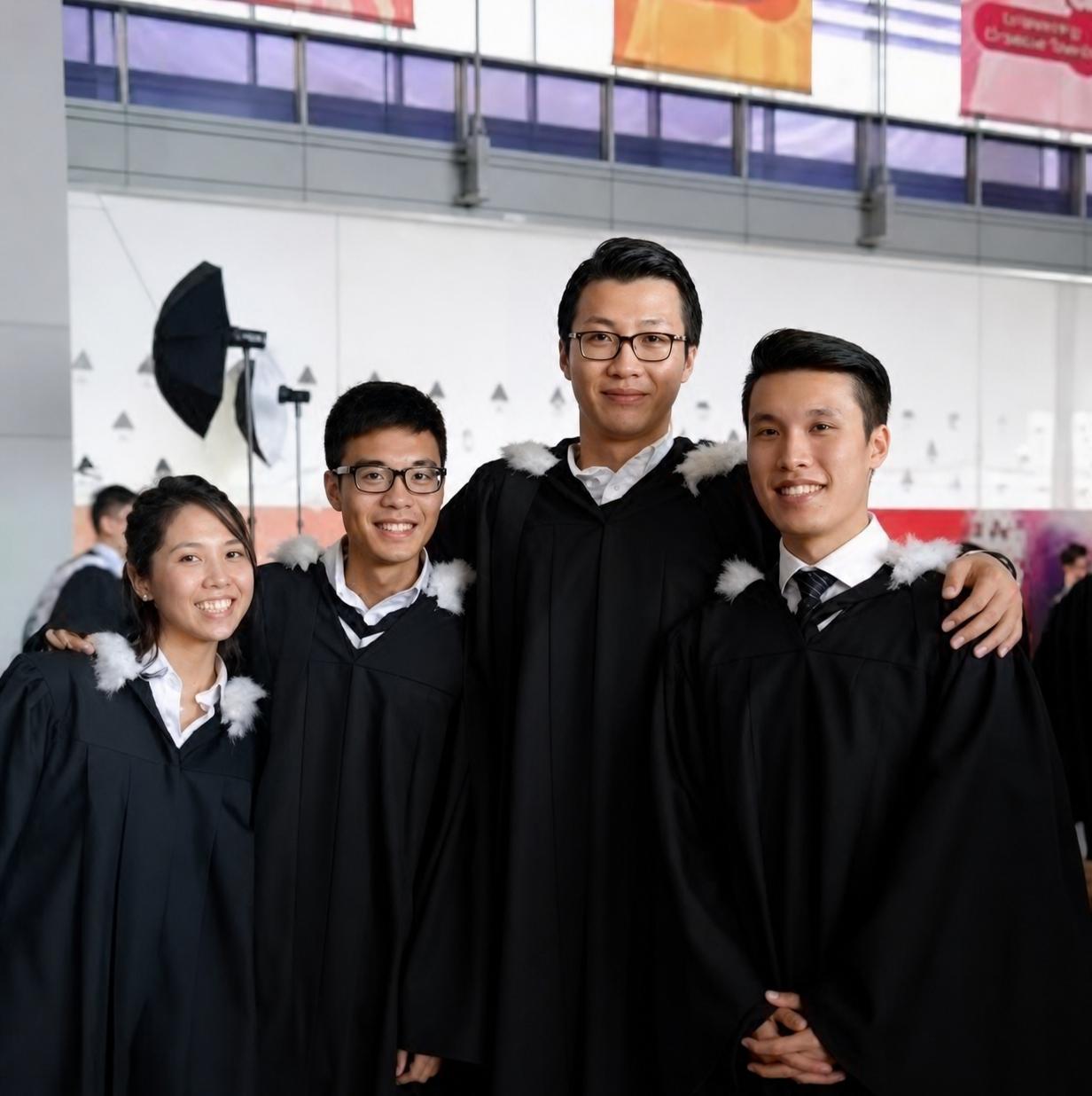
Graduating at a time when the oil and gas industry was facing a downturn, the state of the markets then was not simply a market fluctuation to Jian Ming. It was an early signal of a broader transition toward alternative energy sources.
So Jian Ming chose differently. And when asked during an interview at a company that typically hired electrical and mechanical engineers, why a chemical engineer was applying for a role outside his field, his response was candid.
“I told them honestly that I don’t know everything about this domain,” he says. “But engineering at its core is built on transferable fundamentals.”
He argued that a strong grasp of first principles would allow him to learn and adapt more effectively than someone confined to a single specialisation – a perspective that won him the role.
This ability to translate engineering thinking into broader business contexts became increasingly valuable as Jian Ming grew in his career. It eventually led him to Électricité de France (EDF), one of the world’s largest energy companies, where he would spend the next phase of his career expanding his scope beyond engineering into strategy, investment, and regional development.
Engineering at Scale: Expanding to New Frontiers
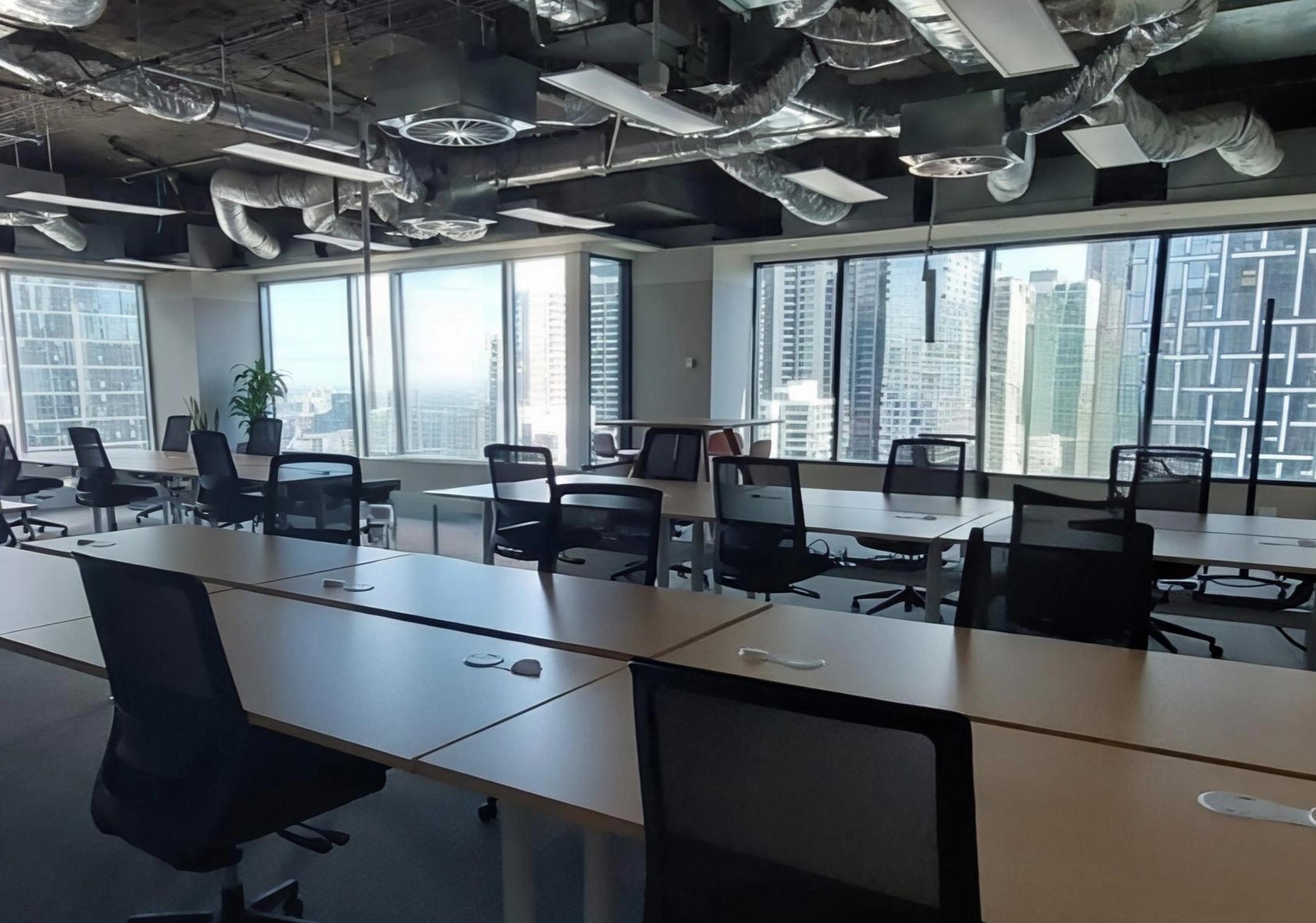
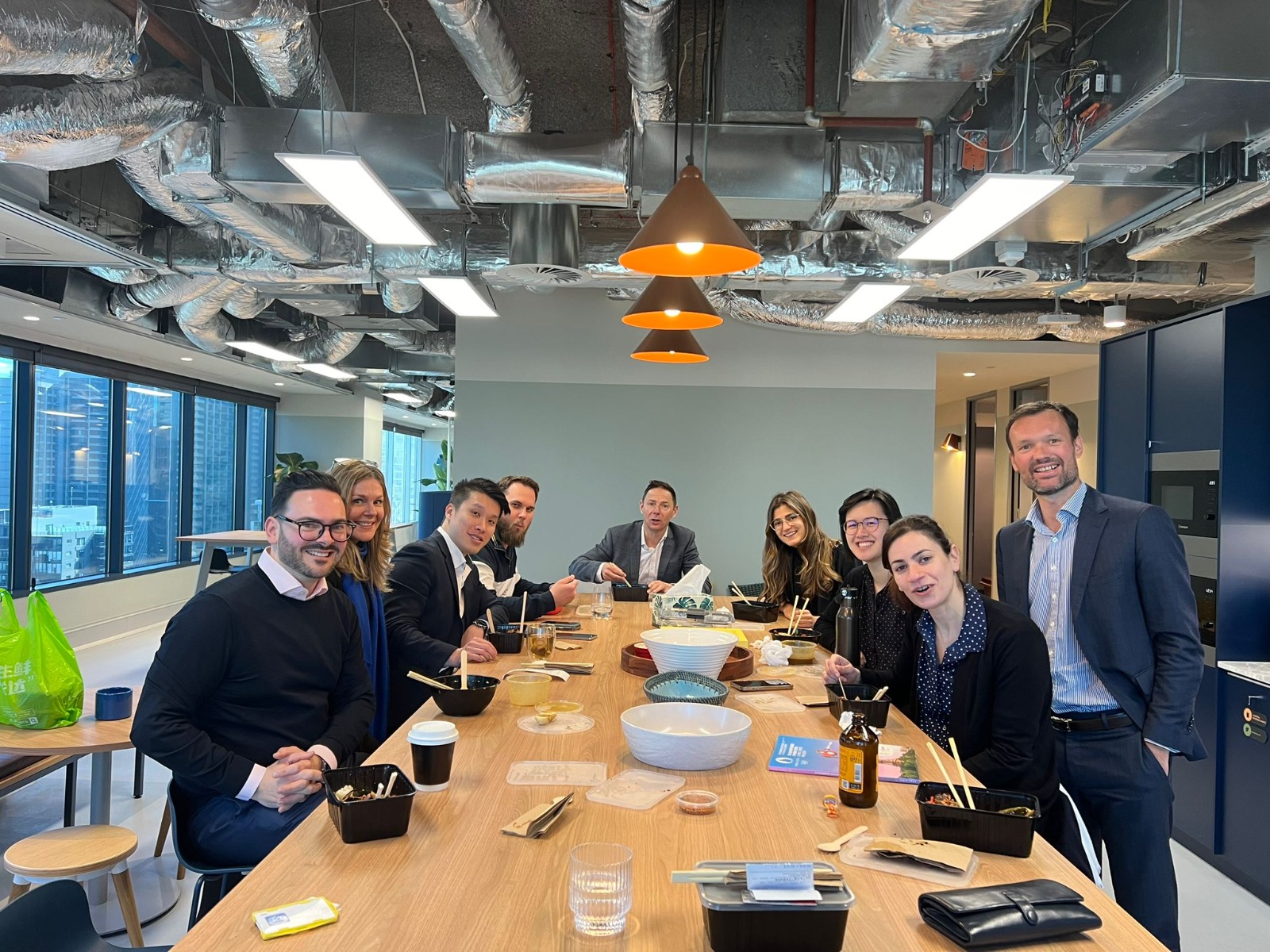
A defining chapter in his career was when he was tasked with establishing EDF’s presence in Australia. While it was one of the largest energy companies worldwide, the Australian market was a new frontier for the company. As the pioneer employee in a new market, he established and led the business development function, laying the foundation for the company’s growth. He supported the expansion of the team to nearly 50 professionals and contributed to the structuring of investments exceeding 50 million Euros within just two years. The work spanned a diverse range of projects, from concentrated solar thermal technologies to hydrogen systems, pumped hydro storage, and compressed air energy storage.
The chemical engineering fundamentals Jian Ming acquired at SIT gave him the crucial edge to navigate new territory, enabling him to break down complex concepts and evaluate novel technologies to make informed investment decisions.
At the same time, his role required him to operate far beyond technical considerations. Leading a business in a foreign country meant navigating cultural differences and aligning stakeholders across diverse teams. He had to learn how to build trust in a new environment, adapt to different working styles, and make decisions without complete information.
| 
|
“Every country has its own way of doing things,” he says. “You can’t go in thinking your way is the right way. You have to understand first.”
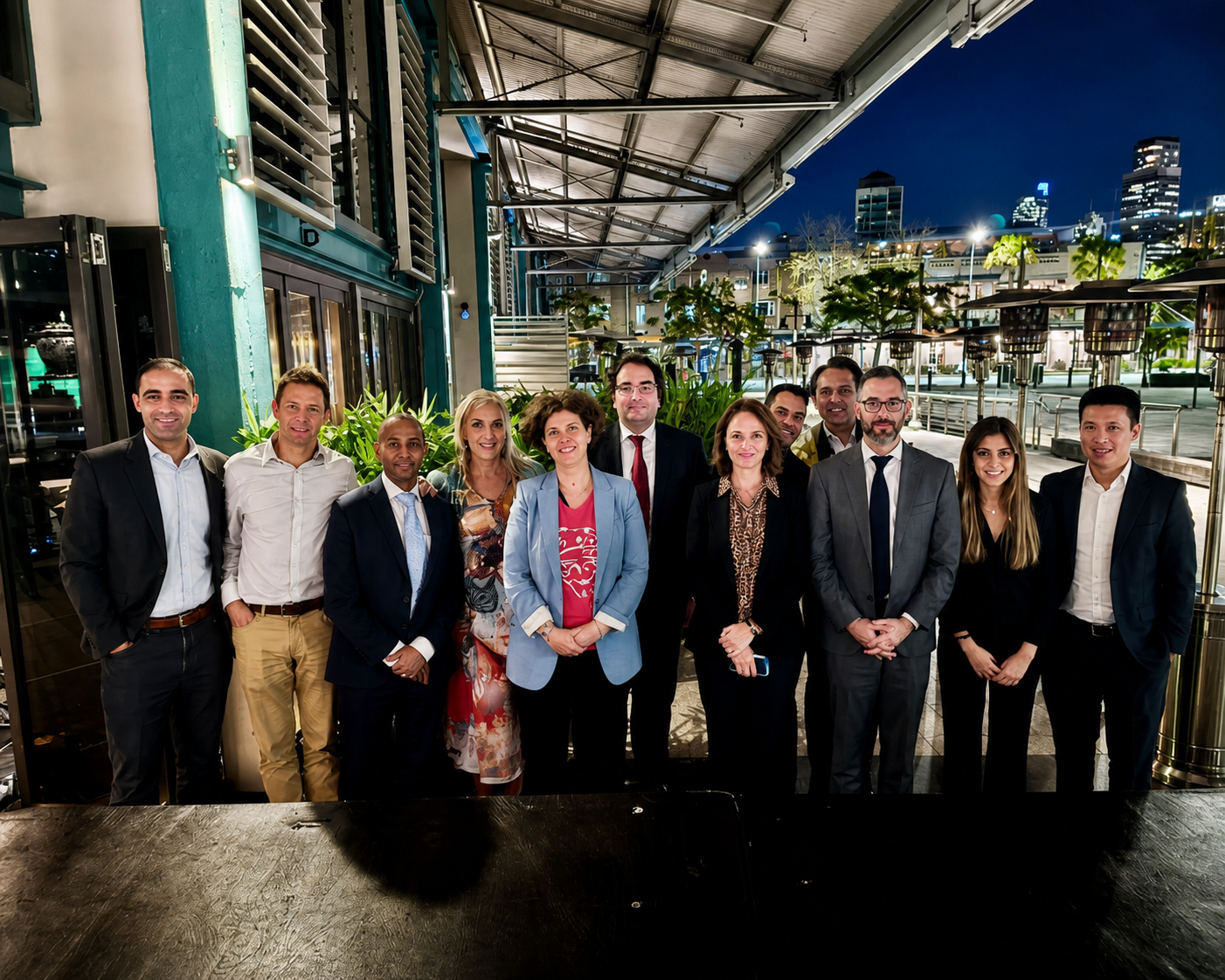
His time overseas also deepened his conviction that global exposure is essential, particularly for Singaporeans. Working across different markets gave him a broader perspective on how energy systems vary by geography, resource availability, and policy environment. It also reinforced the importance of adaptability in an increasingly interconnected yet fragmented world.
Coming Home with a Global Lens
After successfully establishing EDF’s operations in Australia, he returned to Singapore in late 2025 to take on a regional leadership role, leading EDF’s new markets expansion across Asia-Pacific. His focus now is on low-carbon infrastructure and energy security in one of the fastest-evolving energy markets.
“I always knew I would come back,” he says. “Going overseas was about gaining experience, but home was always the end state.”
His global experience now informs how he approaches these challenges.
“When you’ve seen how different countries operate, you develop a different lens,” he explains. “You understand that there’s no one-size-fits-all solution.”
While EDF’s global network keeps him close to new ideas and opportunities, it is Jian Ming’s grounding in strong fundamentals, curiosity, and a willingness to embrace uncertainty that continues to guide how he navigates markets today.
Paying It Forward
For Jian Ming, success has never been an individual pursuit. It is built on relationships with the people who create the space for you to take risks and step into the unknown with a measure of confidence. A key influence was his former lecturer A/Prof Tham Ming Tan, whose guidance continued after his graduation.
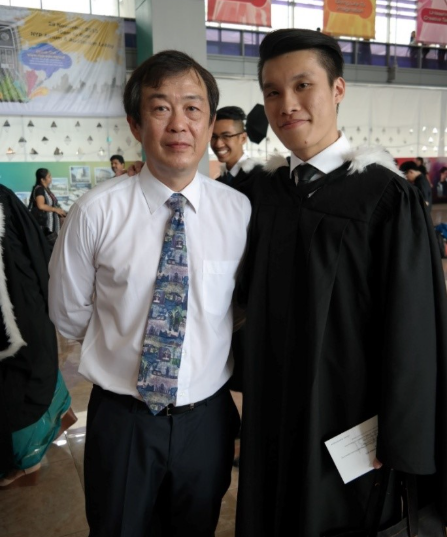
“What stayed with me wasn’t just the technical guidance,” Jian Ming reflects. “It was knowing there was someone invested in how I was thinking about my choices—even after I left campus.”
That continuity mattered. It reinforced a quiet but powerful idea: that growth is not a solitary process, but one shaped through ongoing dialogue, perspective, and trust.
Today, Jian Ming pays that forward through SIT’s Industry Mentoring Programme, where he mentors small groups of students despite his regional commitments.
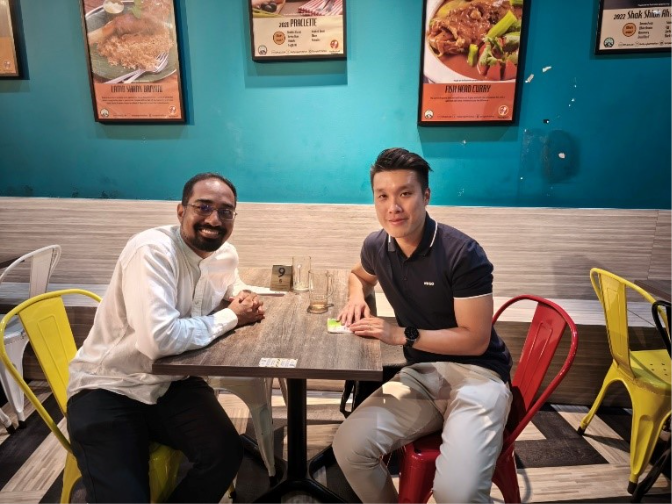
He recalls a series of conversations with his mentee, Sheik Abdul Hafidz Bin Sheik A Hamid, a junior from both SIT and Imperial College London. They were not formal check-ins or advice-giving sessions. Instead, they unfolded as what Jian Ming describes as “quiet moments of recalibration”—conversations that focused less on the decision at hand, and more on the thinking behind it.
At the time, Sheik was weighing a pivotal choice: whether to leave the stability of his role at construction engineering company PEC Ltd to pursue a master’s at Imperial College London. It was a familiar dilemma—caught between the reassurance of certainty and the pull of something more uncertain, but potentially transformative.
Jian Ming did not offer an answer.
“I never believed mentorship is about giving directions,” he says. “If anything, it’s about asking the kind of questions that make you uncomfortable enough to think differently.”
Rather than prescribing a path, he guided Sheik to interrogate his own motivations. What kind of growth was he truly seeking? Was he choosing comfort—or possibility? What would staying mean, and just as importantly, what might leaving unlock?
“Clarity doesn’t come from advice,” Jian Ming adds. “It comes from learning how to think through your own decisions.”
Over time, their conversations expanded beyond a single career decision. They became anchored in deeper ideas—how to stay adaptable in an unpredictable world, how to find clarity in moments of doubt, and how to lead one’s life with intent rather than by default.
What makes the story come full circle is what followed.
Today, Sheik has stepped into the role of mentor himself, guiding others through similar uncertainties—much like how he once was.
“That’s when you know mentorship has worked,” Jian Ming reflects. “Not when someone follows your advice—but when they learn to guide others in their own way.”
In that quiet passing of perspective—from one individual to another—lies the true impact of mentorship: not the transfer of answers, but the cultivation of a way of thinking that continues to ripple forward.
From Individual Success to Collective Growth
Ultimately, Jian Ming’s journey is not defined by titles or milestones, but by the way he chooses to move through them—with intention, and with others in mind.
Whether navigating complex regional responsibilities or carving out time to mentor the next generation, his approach remains consistent: to create clarity where there is uncertainty, and to enable growth that extends beyond himself.
In many ways, this reflects the very ethos that shaped him at SIT—where learning is not confined to the classroom, and success is measured not just by individual achievement, but by the ability to uplift others.
Because for Jian Ming, impact is not what you accomplish alone. It is what continues, long after you’ve stepped back.