









![[FA] SIT One SITizen Alumni Initiative_Web banner_1244px x 688px.jpg](/sites/default/files/2024-12/%5BFA%5D%20%20SIT%20One%20SITizen%20Alumni%20Initiative_Web%20banner_1244px%20x%20688px.jpg)

Projects
Current Projects
Enhancing Library Accessibility and Inclusion for Persons with Autism and Their Caregivers
This project aims to enhance library accessibility and create an inclusive environment for individuals with moderate to severe autism in national libraries. It also aims to conduct data collection through conducting interviews with the relevant stakeholders of the libraries, through a blended set of scenarios-based and focus group interviews. This investigation will allow the identification of the challenges that limit persons with autism from engaging with the libraries and the libraries’ resources.
The project team consists of Asst Prof Alex Qiang Chen from the Infocomm Technology Cluster, Senior Professional Officer Ng Yin Kai and four SIT students, will collaborate with Punggol Library and community to develop innovative solutions to raise awareness of the library's accessibility and enhance the quality of the library experience for persons with autism and their caregivers.
Understanding Technology Adoption in the Community Hospital
Technology adoption is common in local tertiary hospitals, and it is widely used in various aspects of patient care. However, not much is known about technology adoption from multi-stakeholder perspectives and the other factors that can influence user behaviours. There are currently limited studies in Singapore that focus on VR technology implementation among the key stakeholders.
The project team, led by Asst Prof Jade Soh from the Health and Social Sciences Cluster, comprising three SIT faculty, one Professional Officer and two SIT students, aims to conduct data collection on healthcare practices and policies related to the adoption and integration of VR technology. The findings from this project may lead to more effective healthcare delivery, benefiting local older patients and their caregivers.
Sustainable and Responsible Innovation in Buy Now Pay Later (BNPL)
This project explores the intersection of consumer finance, digital innovation, and sustainability by examining the effects of Buy Now Pay Later (BNPL) usage among young consumers, with a focus on two core segments:
- Retail: fast fashion, beauty, and consumer electronics.
- Hospitality: hotels, travel, attractions, and flights.
The project team consists of Assoc Prof Pearpilai Jutasompakorn and Asst Prof Thomas Goh from the Business, Communication and Design Cluster and seven SIT students, aims to investigate how digital design features (e.g., nudging and default options) embedded within BNPL-enabled retail platforms may accelerate impulsive purchasing, unsustainable consumption, debt accumulation, and environmental degradation.
Enhancing the Experience of Visually Impaired (VI) Individuals in Libraries: A Sustainable Solution
The Punggol Library is committed to building an inclusive environment that enables individuals of all abilities to participate in library programs and events. Challenges arise when VI individuals attend live presentations or public talks held in the library. A recurring barrier is the inaccessibility of visual presentation materials, such as PowerPoint slides, which are commonly used by speakers during events.
The project team consists of Assoc Prof Zhang Zhengchen from Infocomm Technology Cluster, Asst Prof Hu Chengcheng from Engineering Cluster and four SIT students, proposes a system that prepares accessible audio narrations of slide content ahead of each event, allowing users to explore the material independently. Since VI users often have heightened auditory perception, they can process audio content quickly, preview the material in advance, and revisit specific sections as needed. This further enhances the complementary relationship between the narrated slides and the live presentation, improving understanding and engagement.
Completed Projects
-
Tools for Story-Reading / Telling for students with Special Needs
Tools for Story-Reading / Telling for students with Special Needs
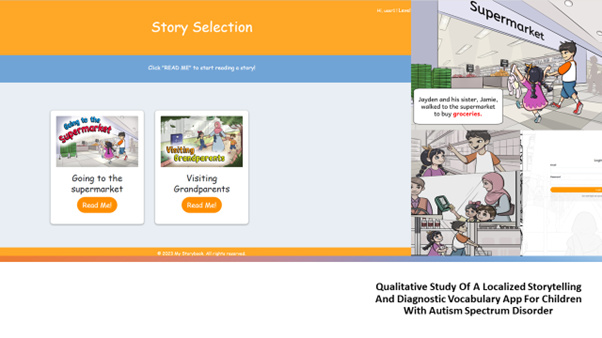
This cross-cluster, collaborative project aims to develop a mobile prototype application that performs storytelling in an interactive and gamified manner for children with special needs. Unlike commercially available storytelling apps for children, the narratives in this storytelling app reference familiar sights and scenarios in the Singapore context. Backdrops for these scenarios include kopitiams, mom-and-pop shops, and void decks; while story plots include local festivals and visiting grandparents to pay respect to them on these special days, living in Housing and Development Board (HDB) flats, or playing at the void deck. A total of 11 stories of varying levels of difficulty were created, with two selected for the prototype.
The storytelling app will be designed with these needs in mind to facilitate both teacher-directed and learner-directed vocabulary learning and assessment. Additionally, the personalised and intelligent app will record and track the learner’s responses to vocabulary questions, as well as diagnose his receptive vocabulary via a digitalised Peabody Picture Vocabulary test
Faculty from the Centre for Professional Communication (CPC), namely, Assoc Prof Radhika Jaidev, Asst Prof Kenneth Ong, Asst Prof Lee Hwee Hoon and Senior Lecturer Erick Tan as well as faculty from the ICT cluster, namely, Asst Prof Muhammad Fauzi Abbas and Asst Prof Alex Qiang have collaborated with speech therapists / interventionists from AWWA School to identify the needs of such children and to design and develop the story plots.
-
Interactive Carbon Footprint Calculator Prototype for Visitors’ Journey to Mandai Wildlife Reserve (MWR) Parks
Interactive Carbon Footprint Calculator Prototype for Visitors’ Journey to Mandai Wildlife Reserve (MWR) Parks
In Singapore, Mandai Wildlife Reserves (MWR) is a popular destination for both domestic and international leisure visitors. It is home to wildlife parks including the Singapore Zoo, River Wonders, Night Safari, and Bird Paradise. Given the popularity of MWR parks and the completion of the Mandai Rejuvenation Project, the number of local and international visitors to this destination is expected to grow. While welcoming and offering a satisfactory experience for visitors is important, promoting sustainability in MWR parks is essential.
The project team, led by Assoc Prof Michael Alexander Kruesi (from the Business, Communication and Design Cluster) comprising three SIT faculty and seven SIT students, will investigate a specific current sustainable development effort in MWR parks. This project seeks to design and test-run an interactive carbon footprint calculator prototype to document and examine visitors’ carbon footprint and relevant travel behaviours to and within MWR parks. -
Developing Digital Reminder for the Management of Community-Dwelling Individuals at Risk of Pressure Injuries
Developing Digital Reminder for the Management of Community-Dwelling Individuals at Risk of Pressure Injuries
Pressure injuries (PI) are largely preventable by maintaining the quality and standard of key evidence-based practices such as risk assessment, repositioning, or turning, using pressure-relief devices; maintaining adequate nutrition and moisture; and education on PI prevention. Currently, there are no digital reminders in the market targeting the management of PI prevention.
The project team, led by Assoc Prof Elaine Siow from the Health and Social Sciences Cluster, comprising three SIT faculty and four SIT students, will develop an application software that will remind the caregivers via a tablet device at home. The application software may potentially include other functions to support caregivers at home, e.g., reminders to administer medication. The project will obtain user inputs from key stakeholders, such as caregivers and community nurses on the interface and function of this application before fabricating the first prototype.
-
Developing and Setting Up an Interactive Health Zone in St Luke's ElderCare’s New Centre at Anchorvale
Developing and Setting Up an Interactive Health Zone in St Luke's ElderCare’s New Centre at Anchorvale
PSt Luke’s ElderCare (SLEC) is a healthcare provider committed to meeting the evolving needs of their patients, clients and caregivers. SLEC delivers a full range of integrated services such as maintenance day care, day rehabilitation programme and dementia care.
The project team, led by Senior Professional Officer Seah Jianxing, comprising four SIT Professional Officers and 50 SIT students, collaborated with SLEC to develop and set up an Interactive Health Zone in the new senior activities centre at Anchorvale, to benefit Active Agers (60 years old and above) through interactive activities. These interactive activities help in guiding residents on self-assessment of key medical vitals (BP, O2, height weight etc.) using the equipment at SLEC, usage of exercise machines, and addressing prevention or management of medical conditions common in older adults.
-
Cybersafety and Scratch Programming Workshops for Underprivileged Children at Charities
Cybersafety and Scratch Programming Workshops for Underprivileged Children at Charities
This project aims to rally SIT undergraduates (SITizens) and alumni as instructors to conduct workshops on Cybersafety and Scratch programming for underprivileged primary school children in charities during the June and December 2025 school holidays.
The project team, led by Senior Lecturer Ho Hee Meng from the Infocomm Technology Cluster, comprising of two SIT faculty, one corporate staff and fifty-five SITizens. Under the guidance of the faculty, the SITizens will be actively involved in meeting with the charity partners to understand the requirements to develop the teaching materials as well as subsequently conducting the workshops for the beneficiaries (i.e. underprivileged primary school children).
-
Improving accessibility at Kwong Wai Shiu Hospital
Improving accessibility at Kwong Wai Shiu Hospital
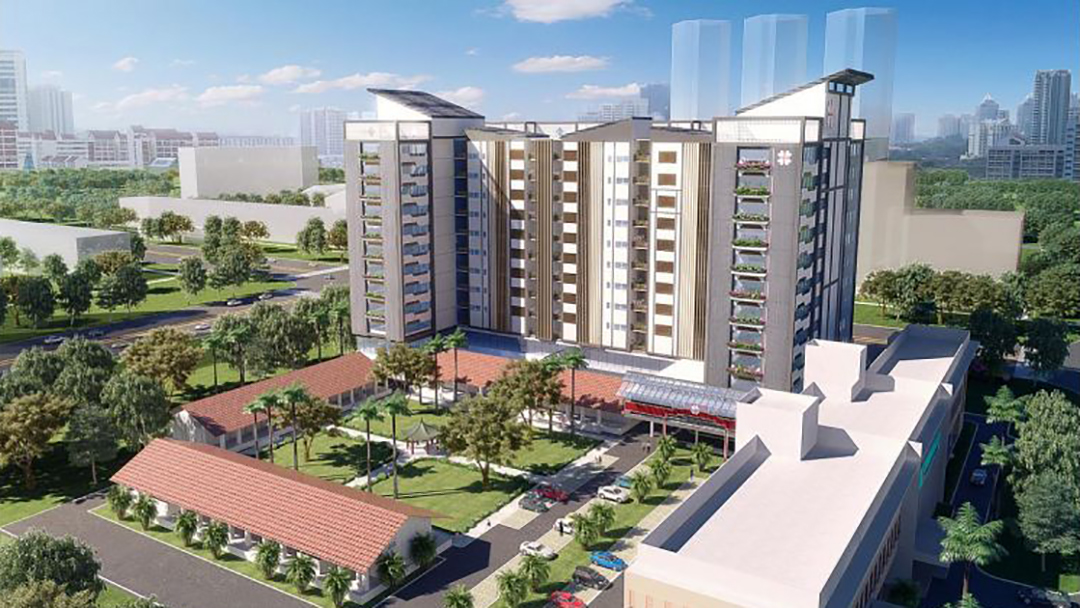
Kwong Wai Shiu Hospital (KWSH) is collaborating with NACE@SIT in the planning, design, and development of its new nursing home.
Scope of the collaboration between KWSH and NACE@SIT
- Facilitating the design and planning of the new nursing home in Potong Pasir
- Understanding the needs and expectations of users (e.g. residents, staff)
- Designing a workplace training programme for KWSH staff
KWSH highlighted two important design requirements: access to assistance and access to information. Both requirements should factor in the need for limited social interactions and social distancing in a post-COVID-19 environment. In addition, plans related to overall operations of the nursing home operations must ensure smooth service provision and delivery in spite of manpower constraints.
This project is led by Assoc Professor Intan Azura Mokhtar and Asst Prof Nicholas Teo Boon How from the Business, Communication and Design cluster in partnership with NACE@SIT and CLASIC.
-
Redesigning a Seniors’ Corner
Redesigning a Seniors’ Corner
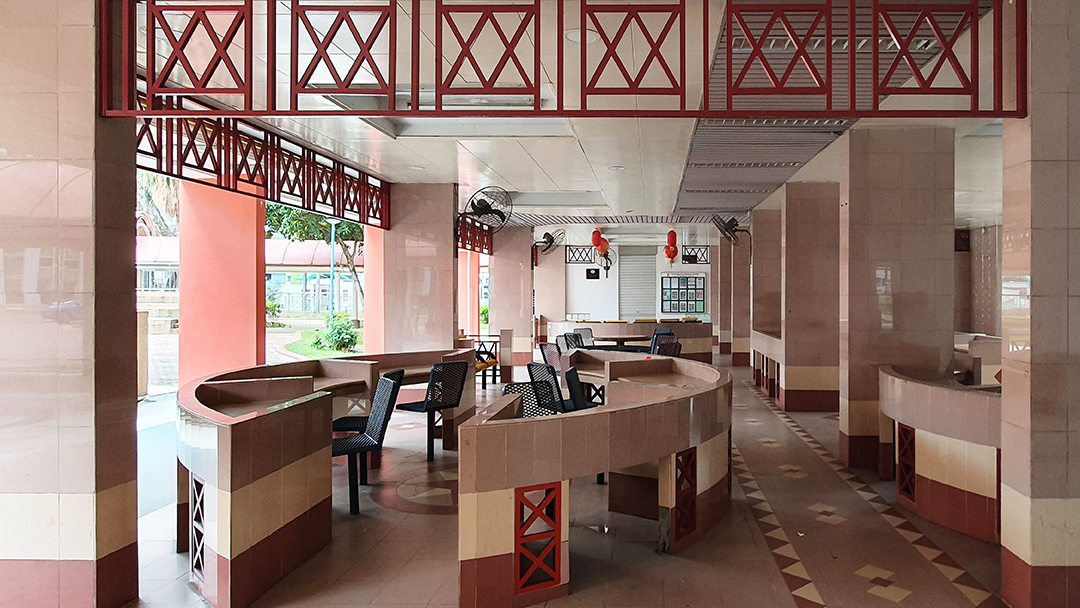
SIT was commissioned to redesign a communal space for seniors that would facilitate community bonding and socialisation. SIT’s research and design team needed to gain a precise understanding of the basic and aspirational needs of users. The team observed user behaviour throughout the day and studied the surrounding area. They hoped to discover insights on potential gathering spots and identify areas adjacent to the site that would augment the design.
Led by Assistant Professor Mark Teo (Business, Communication and Design) and Senior Lecturer Corrine Hoo (Health and Social Sciences), the team got feedback from the residents’ committee to uncover latent needs. The redesigned Seniors’ Corner would cater to different user groups at different times of the day. It would be suitable for formal and informal gatherings as well as planned activities. One possible utilisation of the space is to include a community garden for residents.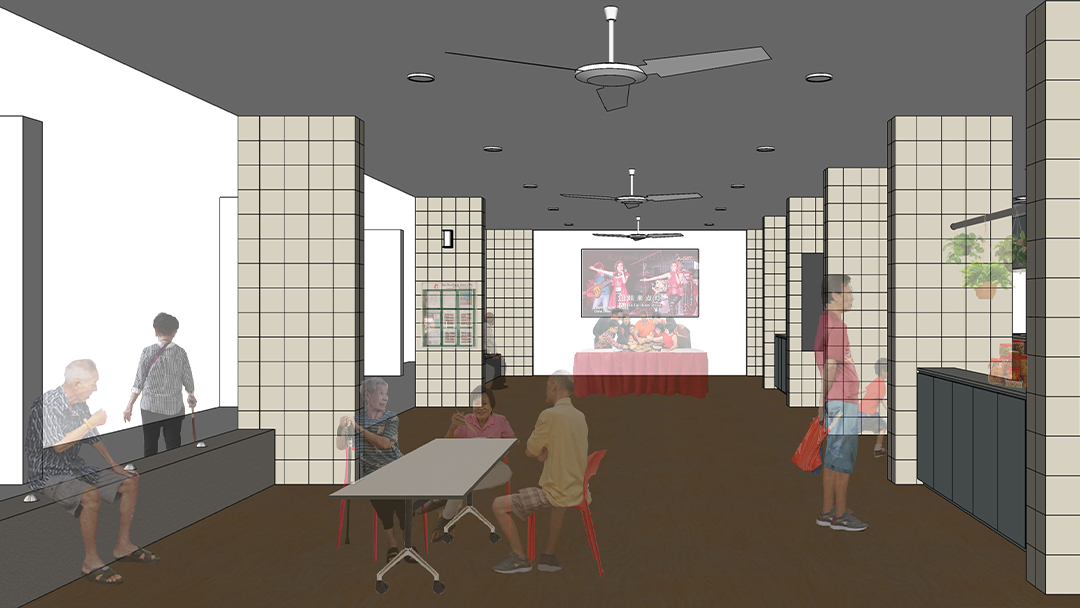
-
Enhancing control of water usage and cost with ECOSOFTT-CLASIC Smart meter
Enhancing Communities Through Water for Life Programme in Siem Reap, Cambodia with the Singapore International Foundation
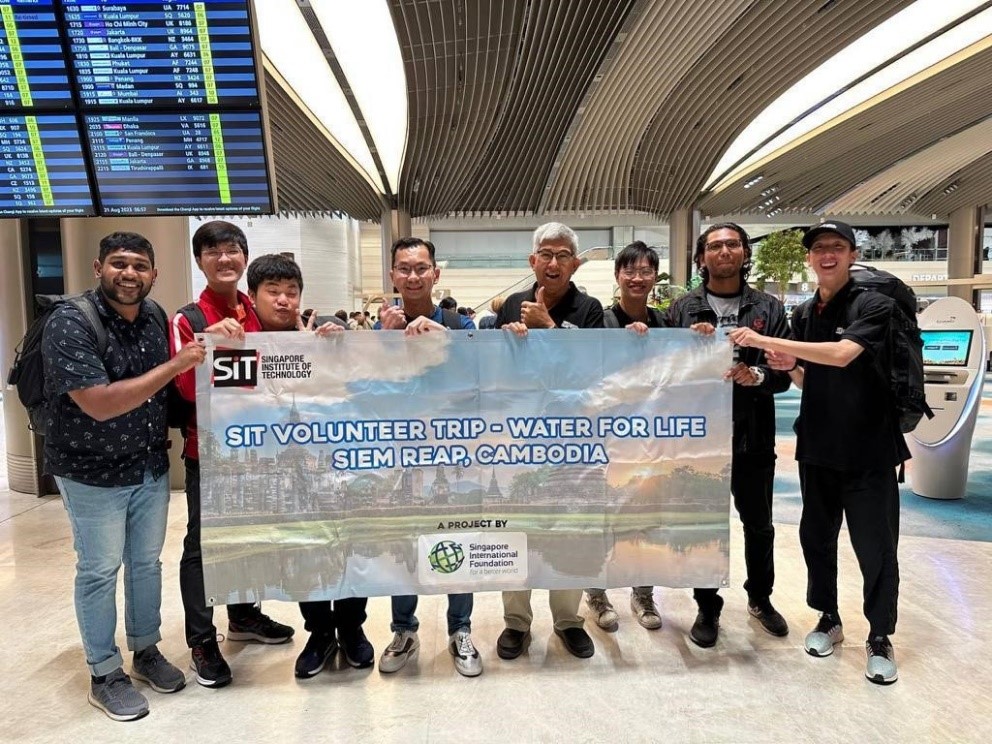
The Water for Life (WFL) programme is an initiative by Singapore International Foundation (SIF) that provides rural communities with access to clean drinking water, improving their overall health and hygiene practices. This programme aligns with United Nations’ Sustainable Development Goal 6, which aims to provide universal access to clean water and sanitation by 2030. By facilitating cross-border friendships and promoting intercultural understanding, the WFL programme helps build stronger global communities.
As part of the WFL programme, the project team led by Assoc Prof Steven Tay from the Engineering Cluster and six SIT students collaborated with SIF to build and install bio-sand filters in the Siem Reap community. Our students connected with the villagers and gained insights into their water usage patterns, enabling them to identify the most suitable locations for installing bio-sand filters. The students' interactions with the community facilitated the gathering of feedback and information, developing effective water management strategies.
-
Recycling Receptacle for the National Environment Agency (NEA Bloobox)
Recycling Receptacle for the National Environment Agency (NEA Bloobox)
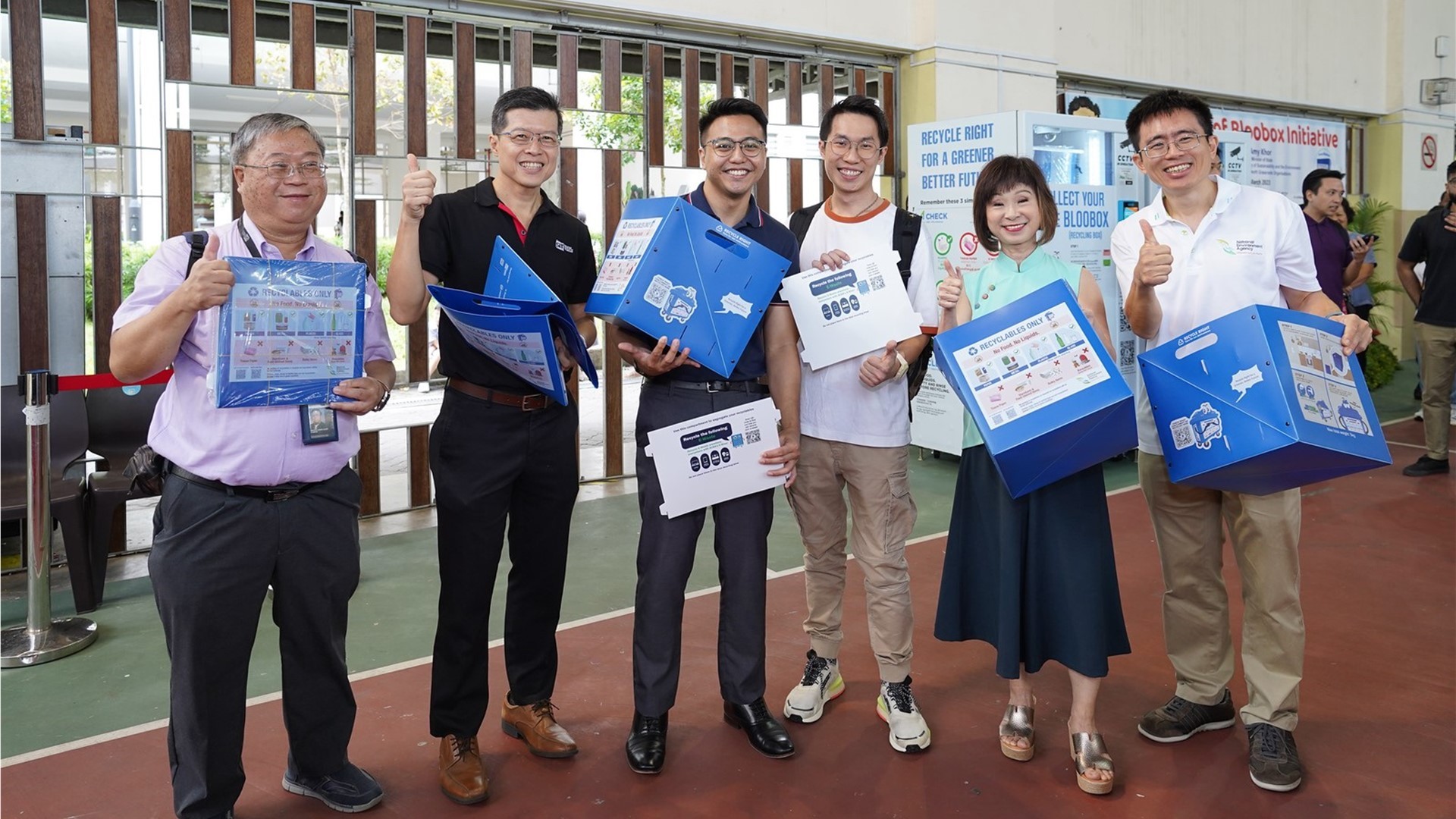
To promote recycling right and to encourage higher recycling rates among Singaporeans, the National Environment Agency (NEA) wanted to produce a recycling receptacle for distribution to all households in Singapore. NEA invited students at Institutes of Higher Learning, including SIT, to contribute designs of a household recycling receptacle for their consideration. They wanted the receptacle to allow for different types of common recyclable items to be placed inside and to be compact, foldable, and attractive, whilst at the same time, be expandable, sturdy, waterproof and washable.SIT Professional Officers and six SIT students from various disciplines formed a team to work on receptacle designs that would meet NEA’s expectations and unit price requirements. The team successfully presented a total of six design concepts and prototypes to NEA in Sep 2021, and one was selected for refinement and development into a final prototype. The recycling receptacle was mass-produced by NEA’s authorised vendors and distributed to households across Singapore from late 2022.
-
PPIS Student Care Invention Lounge
PPIS Student Care Invention Lounge
The onset of the COVID-19 pandemic posed unprecedented disruptions to many social service agencies as they encountered difficulties in providing their services to clients who were no longer able to physically visit their centres freely for consultation and other activities. The Singapore Muslim Women’s Association (PPIS) whose services include casework and counselling for clients with marital, domestic violence and parenting issues, were faced with similar challenges.
Asst Prof Muhamed Fauzi Abbas from the ICT Cluster and his project team accepted the challenge to support PPIS on their process and activity improvement journey by leading SIT students in projects that measure the effectiveness of PPIS’ online social service programmes, as well as to design a space and curate activities for a PPIS student care centre that would inspire the young in the area of Science, Technology, Engineering, Arts and Mathematics (STEAM).
In Phase 1, a space called the Invention Lounge was designed and created in PPIS’ student-care centre as a learning space for children to explore, tinker and in the process, pick up practical skills. The children are given the freedom and resources to develop and realise their ideas, and the opportunity to create, innovate, invent, make mistakes, and try again.
In Phase 2, the children are guided on three activities tailored to the lower and upper primary levels. These activities leverage the Invention Lounge and other facilities available in the centre and are designed to empower the children with essential skill sets and to connect them to their STEAM knowledge. The lesson plans for these activities were developed such that the educators in PPIS could continue with these activities after the initial run by the SIT student mentors.