









![[FA] SIT One SITizen Alumni Initiative_Web banner_1244px x 688px.jpg](/sites/default/files/2024-12/%5BFA%5D%20%20SIT%20One%20SITizen%20Alumni%20Initiative_Web%20banner_1244px%20x%20688px.jpg)
IBM (NYSE: IBM) and the Singapore Institute of Technology (SIT) are planning to establish the Quantum-Safe Centre, targeted for launch by the end of 2026, as a dedicated hub to accelerate Singapore’s transition to quantum-safe cybersecurity. The Centre will help organisations assess risks, adopt new security approaches and develop the talent needed for the post-quantum era.
Globally, the digital economy relies on cryptography to protect trillions of transactions across billions of devices, from banking and payment systems to healthcare records and government and critical infrastructure. This cryptographic foundation, the backbone of digital trust and security, now faces a fundamental challenge with the advent and rapid progress of quantum computing.

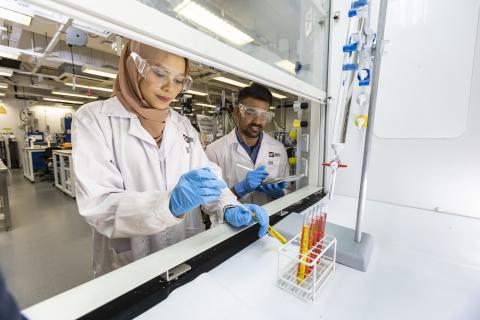
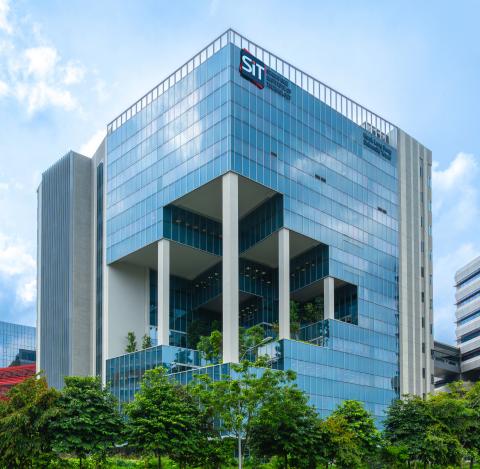
IBM and SIT to establish the Quantum-Safe Centre by the end of 2026 to accelerate Singapore’s transition to quantum-safe cybersecurity. (Photo: Shutterstock)
As quantum computing advances, the encryption methods that organisations rely on today to safeguard their data could become increasingly vulnerable to new and more sophisticated cyber threats from bad actors. The risk is particularly pressing as cybercriminals may already be collecting sensitive data with the intention to decrypt it once they gain the opportunity to access “cryptographically relevant” quantum computers in the future.
To help organisations address these emerging challenges, the Quantum-Safe Centre, located in the SIT Punggol Campus within the Punggol Digital District (PDD), is designed to help organisations prepare for and transition to quantum-safe cryptography. As a central resource for enterprise leaders, technology practitioners, academic researchers, and government stakeholders, the Quantum-Safe Centre aims to:
- Build awareness of emerging cybersecurity risks posed by advanced quantum computing and help organisations understand the steps needed to protect their systems and data.
- Assess organisations’ quantum-safe readiness by identifying potential vulnerabilities in their existing cybersecurity systems and mapping pathways to adopt quantum-safe solutions.
- Enable hands-on test bedding of quantum-safe technologies such as IBM Guardium Cryptography Manager and IBM Quantum Safe Explorer through experimentation and applied use cases in PDD’s live testbed environment.
- Develop a future-ready workforce through executive education, professional training, applied learning and applied research opportunities in quantum-safe cybersecurity.
- Foster collaboration across industry, academia and government to strengthen Singapore's post-quantum resilience and support structured migration to quantum-safe solutions and practices.
Translating these aims into action, the Quantum-Safe Centre will offer two Continuing Education and Training (CET) programmes co-developed by SIT and IBM, a quantum-safe testbed powered by IBM- Quantum Safe technology which includes IBM Guardium Cryptography Manager and IBM Quantum Safe Explorer, and targeted briefings and workshops. Designed for senior business leaders and technical practitioners, the programmes will equip organisations with the knowledge and practical skills needed to build a strategic quantum-safe roadmap. More information on the CET programmes is available in the Annex.
The Centre will also benefit from the expertise of Michael Osborne, Chief Technology Officer of IBM Quantum Safe, and a leading expert in post-quantum cryptography and quantum-safe cybersecurity, who works closely with enterprises, governments and critical infrastructure organisations worldwide to address the security challenges posed by advances in quantum computing. Appointed as SIT's first Distinguished Visiting Scientist, he will help shape the Centre's education, applied research and industry collaboration initiatives, while fostering knowledge exchange between academia and industry to strengthen Singapore's quantum-safe capabilities.
Commenting on his appointment, Mr Osborne said: “As SIT's first Distinguished Visiting Scientist, I look forward to working directly with Singapore's enterprises, researchers and future cybersecurity professionals to translate global best practices into practical, on-the-ground capability. Preparing for the post-quantum era requires more than new cryptographic standards — it requires organisations to understand their security posture today, identify their vulnerabilities, and have a clear path forward. I will work to help bridge that gap: bringing IBM's deep expertise in quantum-safe technologies to bear within SIT's applied learning environment, so that Singapore's organisations and talent are not just informed, but genuinely ready.”
Expressing SIT’s commitment to the Centre, Professor Chua Kee Chaing, President, SIT, said: "As the University for Industry, SIT's strength lies in bridging the gap between emerging technology and real-world application — through applied learning, industry-integrated research and a deep commitment to developing work-ready talent. Quantum-safe cybersecurity is not just a technical challenge — it is a workforce readiness challenge. Together with IBM, the Quantum-Safe Centre will enable Singapore's enterprises and professionals to not just be aware of the post-quantum risk but equipped to respond to it decisively and with practical expertise."
Underscoring the urgency of the post-quantum cryptography transition, Siew San Tan, General Manager and Technology Leader, IBM Singapore, said: “Singapore’s critical infrastructure, enterprises, and government agencies are at a pivotal moment in their cybersecurity journey, and the time to prepare for the post-quantum risk is now. Through our collaboration with SIT and the establishment of the Quantum-Safe Centre, IBM is committed to supporting Singapore’s organisations with the technology, expertise and capabilities they need to understand their cryptographic vulnerabilities and take decisive steps toward quantum-safe resilience. This initiative would help to ensure that Singapore’s digital economy remains secure and trusted in the years ahead.”
The Quantum-Safe Centre has received the support of the Cyber Security Agency of Singapore (CSA), which sees the initiative as aligned with Singapore's broader efforts to build national quantum-safe readiness. Ong Kok Wee, Assistant Chief Executive, Policy and Corporate Development, Cyber Security Agency of Singapore said: “CSA welcomes the establishment of the Quantum-Safe Centre in the heart of Singapore’s digital district. Strengthening Singapore’s quantum-safe readiness requires close collaboration across government, industry, and academia. Initiatives like this provide practical support for organisations in building awareness and developing the capabilities needed for quantum-safe readiness and resilience. CSA looks forward to continuing our work with ecosystem partners like IBM and SIT to support quantum-safe migration and strengthen Singapore’s digital infrastructure.”

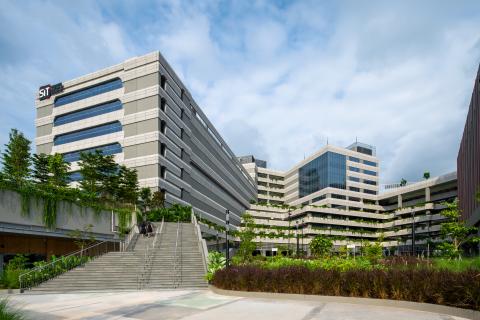
The Quantum-Safe Centre, located in the SIT Punggol Campus is designed to help organisations prepare for and transition to quantum-safe cryptography. (Photo: Shutterstock)
###
About IBM
IBM is a leading provider of global hybrid cloud and AI, and consulting expertise. We help clients in more than 175 countries capitalize on insights from their data, streamline business processes, reduce costs and gain the competitive edge in their industries. Thousands of governments and corporate entities in critical infrastructure areas such as financial services, telecommunications and healthcare rely on IBM's hybrid cloud platform and Red Hat OpenShift to effect their digital transformations quickly, efficiently and securely. IBM's breakthrough innovations in AI, quantum computing, industry-specific cloud solutions and consulting deliver open and flexible options to our clients. All of this is backed by IBM's long-standing commitment to trust, transparency, responsibility, inclusivity and service. Visit www.ibm.com for more information.
About Singapore Institute of Technology
As the university for industry and Singapore's first university of applied learning, the Singapore Institute of Technology (SIT) offers industry-relevant degree programmes that prepare its graduates to be work- and future-ready professionals. Its mission is to maximise the potential of its learners and to innovate with industry, through an integrated applied learning and research approach, so as to contribute to the economy and society.
The University’s unique pedagogy integrates work and study, embracing authentic learning in a real-world environment through collaborations with key strategic partners. Its focus on applied research with business impact is aimed at helping industry innovate and grow. SIT’s new centralised campus within the larger Punggol Digital District features a vibrant learning environment where academia and industry are tightly integrated with the community.
For more information, visit www.SingaporeTech.edu.sg
Annex
CET Programmes at the Quantum-Safe Centre
The Singapore Institute of Technology (SIT), in collaboration with IBM, will introduce two Continuing Education and Training (CET) programmes as part of the suite of offerings available at the upcoming Quantum-Safe Centre.
To kick off later in 2026 onwards, the programmes are designed based on SIT's applied learning approach, and combines instructor-led teaching, practical exercises and real-world case studies that reflect enterprise environments. Targeting organisational leaders and technical practitioners, learners will be equipped with the knowledge and practical skills needed to drive the adoption of quantum-safe technologies within their organisations.
- Executive Programme
Duration: One day
Designed for business leaders, board members, Chief Information Security Officers (CISOs) and senior technology decision-makers, the Executive Programme focuses on the strategic implications of “cryptographically relevant” quantum computing risk and organisational readiness for the transition to post-quantum cryptography.
Participants will explore topics including:
- Modern enterprise cryptography
- Quantum-related cybersecurity risks
- Post-quantum cryptography fundamentals
- Enterprise migration planning
- Governance and regulatory considerations
- Organisational transformation and digital resilience
- Foundation Programme
Duration: Three days
Designed for cybersecurity practitioners, software developers, engineers and IT professionals, the Foundation Programme focuses on the practical implementation of quantum-safe technologies.
Participants will gain hands-on knowledge in:
- Enterprise cryptographic architecture
- Post-quantum cryptography standards and ecosystems
- Cryptographic discovery and migration planning
- Risk management and compliance
- Security architecture modernisation
- Organisational readiness and capability planning
Interested parties are encouraged to look out for updates on the programmes, including registration details, closer to the launch of the Quantum-Safe Centre.