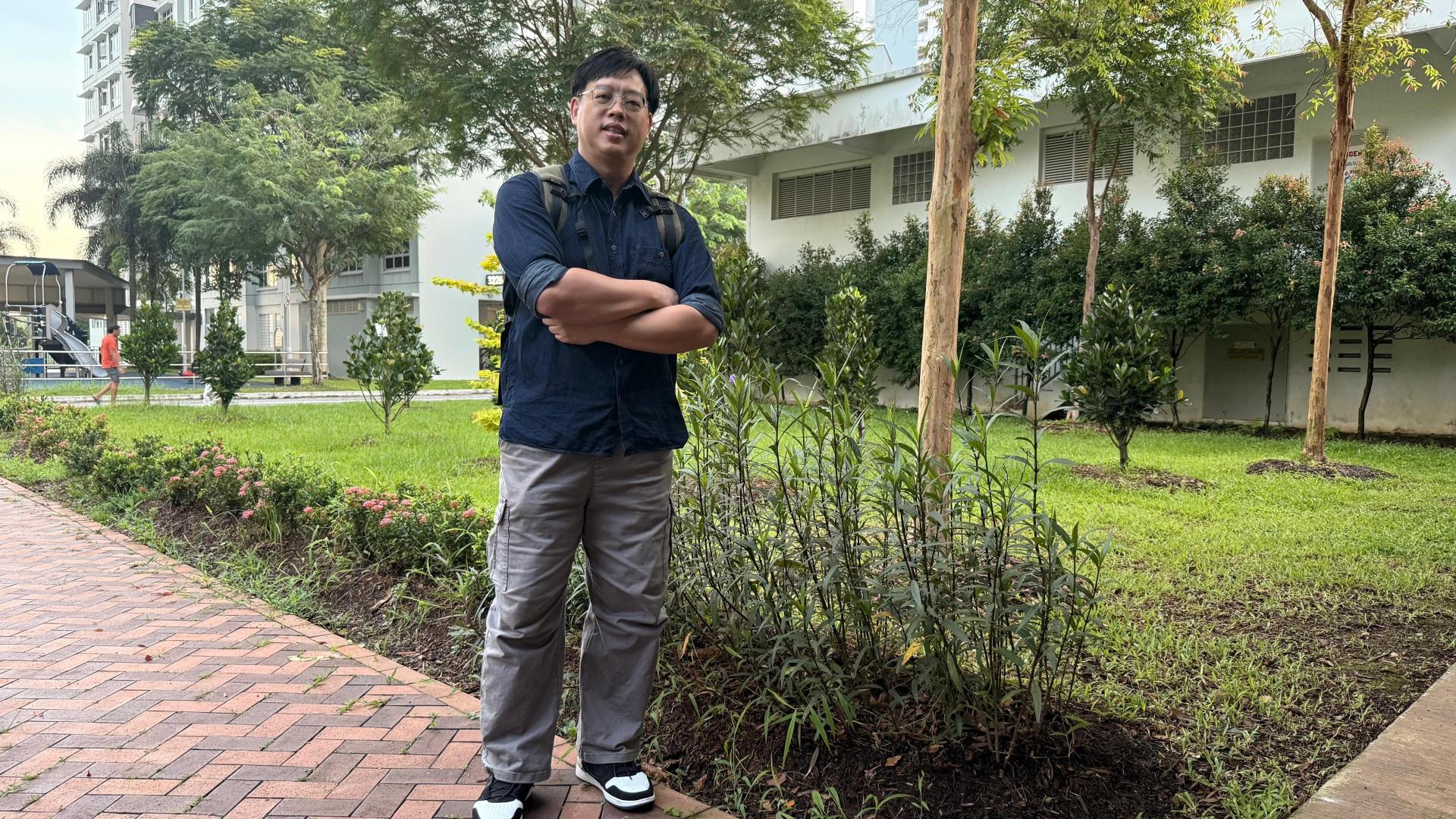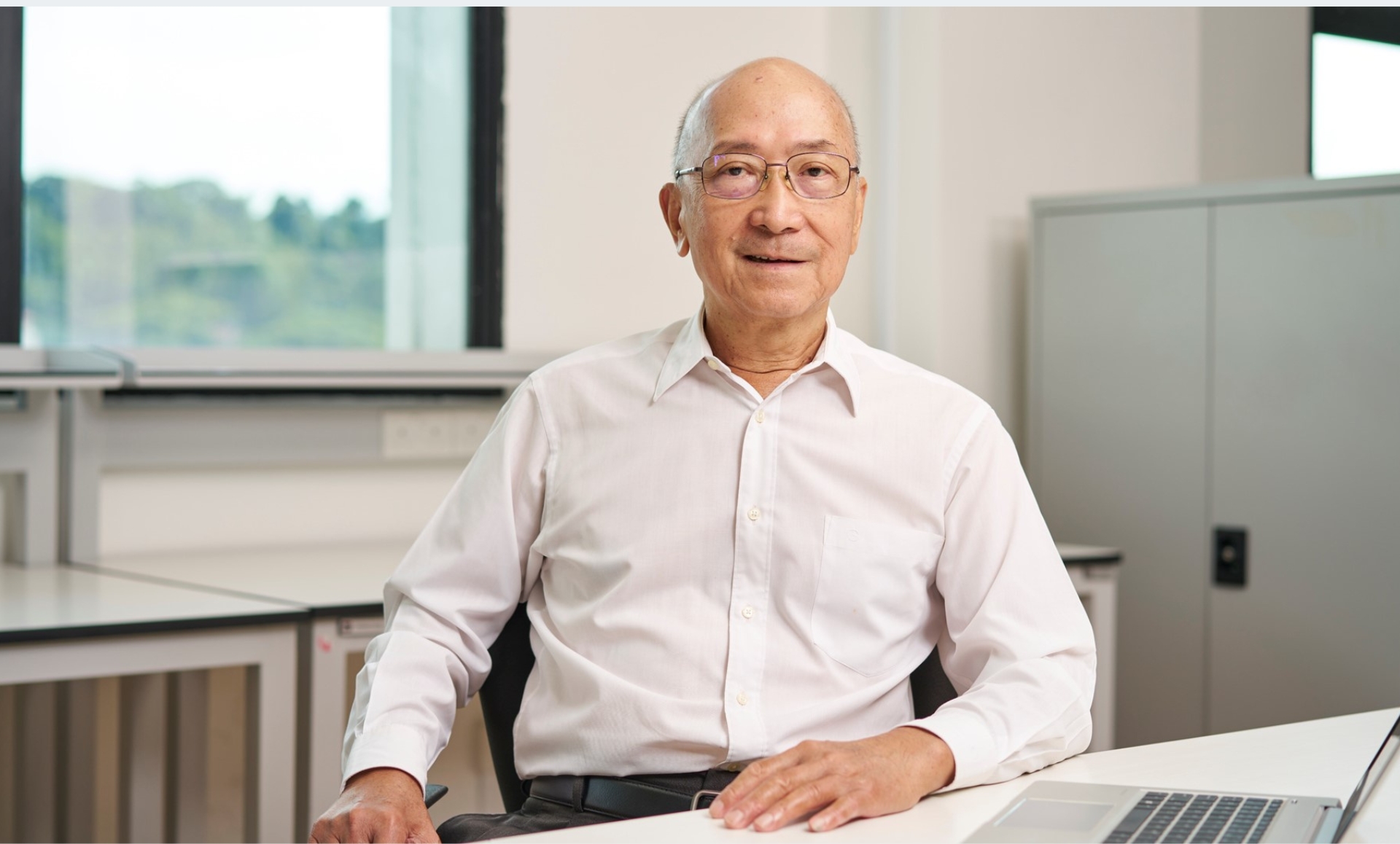
Er. Dr. Lock Kai Sang, Professor of Engineering at Singapore Institute of Technology (SIT)
Sustainability has evolved to become more than a buzzword. It has been integrated into our daily way of life. The way we build. The way we live and operate. The way we manoeuvre professional skills and responsibilities.
Businesses and technology leaders are moving beyond conversation, taking concrete steps to minimise environmental impact and drive lasting economic and social value.
This shift is fundamentally changing how our world is being built, driven by several key infrastructural trends.
We gather insights from Er. Dr. Lock Kai Sang, Professor of Engineering at Singapore Institute of Technology (SIT), and head of the Energy Efficiency Technology Centre (EETC) at SIT on what they are, especially in Singapore.
“Digital infrastructure such as AI and data centres is now a major sustainability issue. Data centres support economic growth but also add heavy power and water demand. This has made energy- and water-efficient data-centre development a strategic endeavour for Singapore.” Er. Dr. Lock Kai Sang, Professor of Engineering at Singapore Institute of Technology (SIT)
The trends shaping sustainable infrastructure
With years of astute research and intensive teaching on the matter of sustainable infrastructure, Dr. Lock has his finger on the pulse of these key trends. “Deep energy efficiency in buildings remains central, especially in tropical cities where cooling demand is high,” he shares. “In Singapore, this has strengthened the push for green retrofits, super-low-energy buildings, and smarter operations under BCA’s green-building agenda.”
Electrification linked to cleaner power systems is another recurring trend that’s been seeing a bigger uptake. “Sustainable infrastructure now depends on expanding low-carbon electricity, grid flexibility, and regional interconnection. In Singapore, the Energy Market Authority (EMA) is driving increased solar deployment, clean power imports, and long-term energy security,” Dr. Lock continues.
Noting the increasingly prevalent use of AI in modern society, Dr. Lock adds that there is a discernible trend where industries are becoming more wary of the environmental strain caused by the heavier operations of data centres. “Digital infrastructure such as AI and data centres is now a major sustainability issue. Data centres support economic growth but also add heavy power and water demand. This has made energy- and water-efficient data-centre development a strategic endeavour for Singapore.”
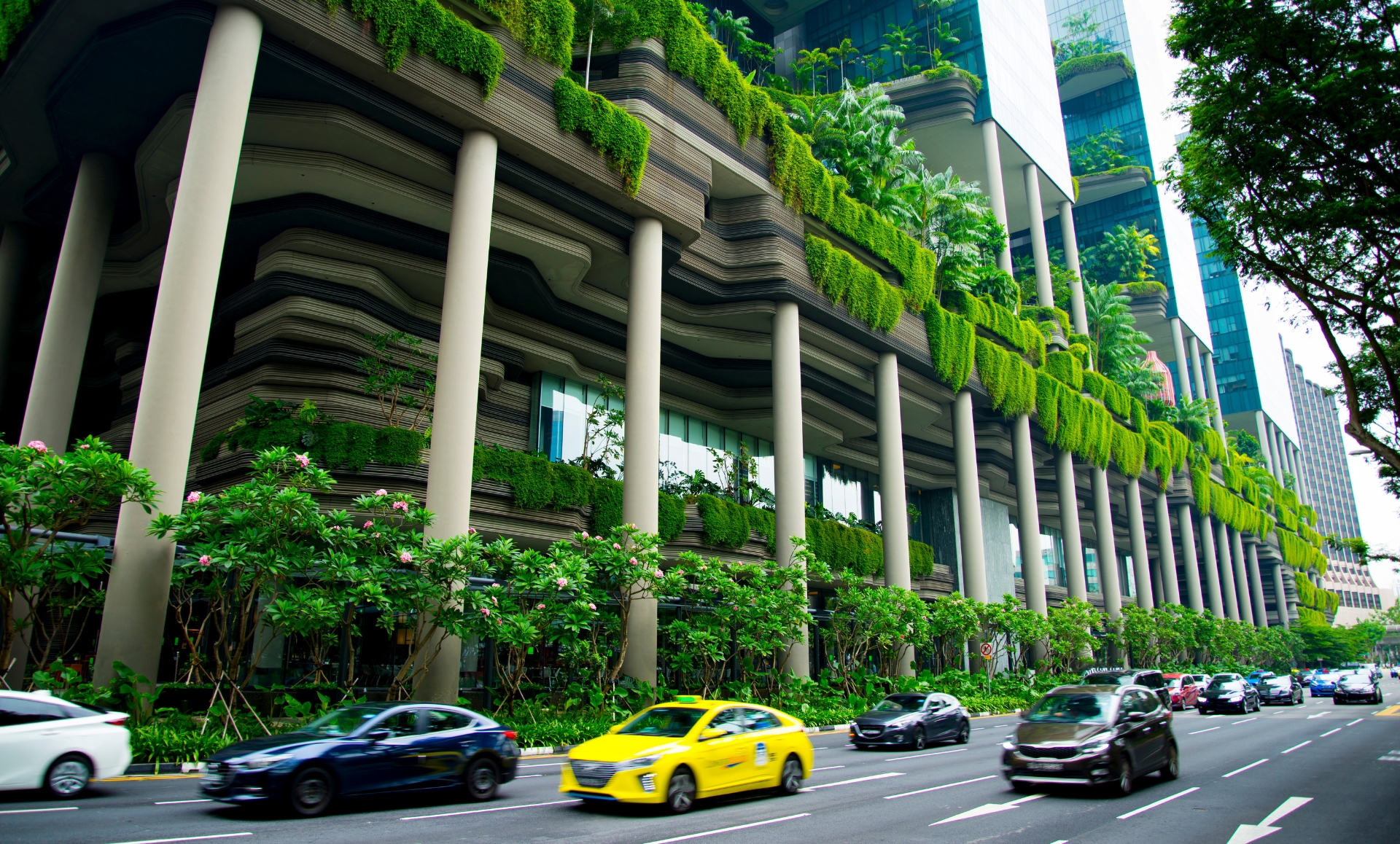
Climate change, being another inevitable global pattern, is another part of the equation. “Sustainable infrastructure must not only reduce emissions but also withstand climate impacts, such as flooding and sea-level rise,” Dr. Lock elaborates. “Singapore has responded by placing stronger emphasis on national adaptation planning and resilient infrastructure systems.”
And lastly, another pivotal trend that’s shaping the progress of sustainable infrastructure is the decarbonisation of transport and logistics, especially through electric vehicles (EVs), sustainable fuels, and cleaner port and airport systems. Dr. Lock shares, “In Singapore, this is reshaping charging infrastructure, maritime transition, and aviation decarbonisation plans.”
Given these shifts, professionals must stay ahead of the curve by aligning their skills with the burgeoning green economy. As sustainability regulations evolve at an exponential pace, both individuals and organisations should prioritise the following.
“Professionals who can combine technical skill, upskilling, and practical implementation with credible professional recognition will be best placed to lead, create value, and stay ahead as Singapore accelerates its transition to a greener economy.” Er. Dr. Lock Kai Sang, Professor of Engineering at Singapore Institute of Technology (SIT)
How businesses are preparing for greener futures
Sustainability is now a core business and compliance requirement, not just a CSR initiative. Dr. Lock emphasises the need for strong internal capabilities in energy management, carbon accounting, and sustainability reporting. Support schemes like SIT EETC’s affordable energy audit and NEA’s Energy Efficiency Grants make these actions more accessible.
Beyond all that, Dr. Lock also agrees that it all boils down to the people. “Invest in people,” he proposes. “Professionals need competency in energy management, carbon accounting, sustainability reporting, green procurement, and transition planning. Organisations that upskill early will be better placed not only to comply, but also to win business, secure financing, and strengthen professional recognition in Singapore’s green economy.”
“Build real, recognised competency,” concludes Dr. Lock. “Professionals who can combine technical skill, upskilling, and practical implementation with credible professional recognition will be best placed to lead, create value, and stay ahead as Singapore accelerates its transition to a greener economy.”
The challenges ahead
But of course, we’re all familiar with the adage that Rome wasn’t built in a day. In the same vein, the adoption of sustainable infrastructure has had its fair share of obstacles that’ve prevented professionals and organisations from embracing it fully. High upfront costs, limited resources among SMEs, measurement difficulties, and competing business priorities remain key barriers. Dr. Lock advocates converting sustainability awareness into “funded, data-backed, and operationally workable action”.
A blueprint of success
That said, there are sustainability success stories. Professionals and organisations can take cue from the progress of Containers Printers, a local SME and packaging manufacturer that took steps to evolve.

It wasn’t an overnight transformation. Containers Printers started by adopting solar leasing for its factory rooftops, reducing their energy costs by 20%. They then got funding via NEA’s Energy Efficiency Fund to replace their air compressor units and lighting fixtures, which helped cut energy use by 49% and 51% respectively. With these efforts, Containers Printers were able to reduce their carbon footprint by around 800 tonnes per year.
“The key lesson for Singapore organisations is clear,” summarises Dr. Lock. “Start with measurable, grant-supported projects, build internal capability, and use data to expand further.” The success of Containers Printers is most certainly one that sets a strong precedent for other organisations wanting to go green.
The Sustainable Infrastructure series in partnership with EETC is the first-of-its-kind series of courses designed to equip leaders and emerging leaders in the built environment field with technology leadership, change management and engineering expertise across the sustainability infrastructure ecosystem.
Growing sustainability skills through institutional learning
The magnitude of this shift is undisputedly massive, driven by the progress of technology, governmental policies, financial availability and corporate commitments. This has, in turn, created an amplified demand for professionals in the built environment industry who possess the knowledge and skills to design and implement workflows that facilitate the sustainability shift.
Responding to this demand, SIT is working closely with industry to develop and upskill the talent pool. As part of SITLEARN Executive Education programmes, SIT offers the Sustainable Infrastructure series in partnership with EETC, a first-of-its-kind series of courses designed to equip leaders and emerging leaders in the built environment field with technology leadership, change management and engineering expertise across the sustainability infrastructure ecosystem.
The Sustainable Infrastructure series by SITLEARN has four flagship programmes:
- Design and Performance Assessment of Low Carbon Buildings
Gain a comprehensive overview of low carbon buildings, emphasising engineering aspects of design and operation for sustainable development goals
- District Cooling Systems: Technologies, Components, and Sustainable Engineering
Learn the fundamentals of district cooling systems, including technologies, engineering principles, and sustainability strategies, to optimise efficiency and minimise environmental impact
- Sustainable and Resilient Data Centres
Explore elements that contribute to sustainable and resilient data centres, focusing on innovative technologies and strategies that ensure business continuity and minimise downtime during disruptions
- Electric Vehicles and Charging Infrastructure for Decarbonisation of Land Transportation
Learn about sustainable transportation systems and technologies, while delving into electric vehicles and their associated infrastructure
Through these programmes, SIT empowers professionals to drive real change, build recognised competency, and lead Singapore’s transition to a greener economy.

About SITLEARN