About Course
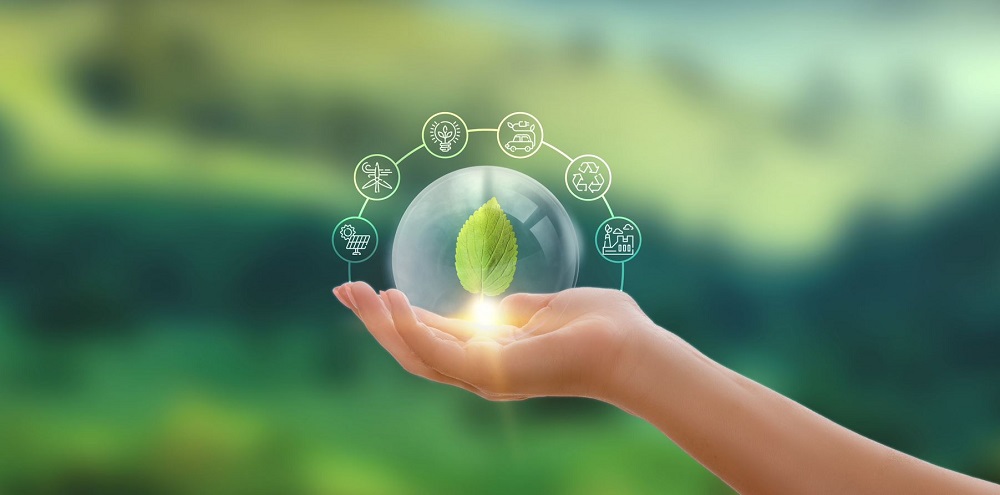
Effective energy management and sustainability practices are critical for industrial organisations to reduce operating costs, comply with regulatory requirements, and mitigate environmental impact to meet global energy sustainability and environmental challenges.
In this 5-day course, explore the latest trends, best practices, and technologies in energy sustainability. Delve into topics such as decarbonisation, energy conservation strategies, renewable energy technologies, energy management systems and software, greenhouse gas emissions reporting, and carbon footprints reduction.
Learners will gain the skills to identify energy-saving opportunities and set performance targets. The course will also equip the learners to develop and implement effective energy management systems, engage employees, build business cases, and explore financing options for energy management projects.
Skills you’ll gain
Building Services
Sustainability
Energy Efficiency
Who Should Attend
Industrial practitioners interested in energy management and sustainability
Singapore Certified Energy Managers (SCEMs)
Environmental managers, energy managers, and engineers
Sustainability professionals
Energy auditors
Facility and operations managers
Environmental, Social, and Governance (ESG) professionals
Academic and research staffs of Higher Education Institutions (HEIs)
Learning Outcomes
By the end of this course, participants will be able to:
- Explain the principles of energy sustainability
Understand global and organisational perspectives on energy sustainability, including the energy trilemma, climate change challenges, and regulatory requirements.
- Analyse energy systems and identify decarbonisation strategies
Evaluate energy demand and supply-side solutions such as renewable energy, zero-emission fuels, carbon capture technologies, and energy efficiency measures.
- Apply energy management concepts and standards
Demonstrate knowledge of energy management systems (EnMS), including ISO 50001 and other international protocols, and their role in improving organisational performance.
- Conduct energy intensity assessments and set baselines
Perform energy audits, establish energy performance baselines, and use benchmarking techniques to identify improvement opportunities.
- Develop and implement energy performance targets and management plans
Formulate realistic energy performance goals, create actionable energy management plans, and integrate them with organisational objectives.
- Utilise energy performance indicators for monitoring and reporting
Select and apply appropriate indicators to track energy efficiency, monitor progress, and report on greenhouse gas emissions and carbon footprint.
- Evaluate and adopt best practices in energy conservation and efficiency
Implement strategies for energy-efficient operations across systems such as HVAC, lighting, and industrial processes.
- Build business cases and explore financing options for energy projects
Justify energy management initiatives through cost-benefit analysis and identify funding mechanisms to support sustainability goals.
- Engage stakeholders and foster a culture of energy efficiency
Promote organisational commitment to sustainability through employee engagement and continuous improvement processes.

Teaching Team
Prof. Ho Hiang Kwee
Adjunct Senior Research Fellow, Energy Studies Institute, National University of Singapore, Part-time Lecturer, Nanyang Technological University
View profile
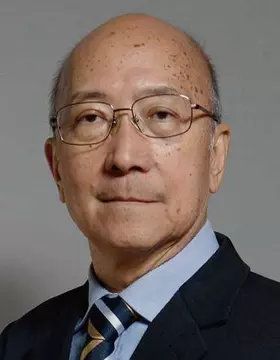
Er. Dr. Lock Kai Sang
Professor, Engineering, Singapore Institute of Technology
View profile

Anoop Sharma
Principal Energy Consultant from Brownfield Energy Consultants
View profile

Mok Hon Yong
Chief Strategy Officer, Alterpacks Pte Ltd
View profile

Loh Chin Moi Ricci
Associate Professor, Business, Communication and Design, Singapore Institute of Technology
View profile

Dr Satheesh
Principal Engineer, Infineon Technologies
View profile

Sandra Lai
Technical Consultant, Siemens
View profile
Yew Ming Hock
Guest Speaker
View profile
Course Details
| Course Run | Dates | Time |
|---|---|---|
| September 2026 Run | 14 - 18 Sep 2026 | 9:00 am – 6:00 pm |
-
Day 1
Session Topic Morning session Overview of Energy Sustainability
- Energy, energy systems, and energy demand services
- Overview of energy sustainability and its importance
- Energy trilemma and energy sustainability
- Energy security
- Energy affordability
- Energy sustainability and the environmental impacts of energy
- Climate change challenges, goals, and targets
- Global perspectives
- Organisational and business perspectives
- Regulatory requirements, corporate social responsibility, and environmental social governance
- Greenhouse gas emissions and climate change
- Decarbonising energy along the energy value chain
- Introduction to reducing energy demand and consumption using energy conservation and energy efficiency
- Decarbonising supply - renewable energy and zero emission fuels, carbon capture, utilisation, and storage technologies and carbon dioxide removal, nuclear energy
Afternoon session
Introduction to Energy Management Systems
- Optimisation, Energy Sustainability, and Energy Sustainability and Decarbonisation
- Dealing with multiple sustainability goals and aspirations
- Life cycle analysis and assessment
- Managing uncertainty in energy sustainability and de-risking decarbonisation
- Optimising sustainability and achieving abatement cost minimisation
- Energy management concepts and principles
- Importance of energy management in industry
- Drivers for energy management, including regulatory requirements and corporate social responsibility
- Benefits of energy management, including cost savings, risk mitigation, and improved competitiveness
- Overcoming challenges of energy management, including financing, technical, and organisational risks and barriers
- Energy management systems and their key components
- Energy management standards and international protocols (ISO/SS 50001, EN 16001, etc.)
- Comparison of different energy management systems and their benefits and drawbacks
-
Day 2
Session Topic Morning session Energy Conservation and Energy Efficiency
- Energy conservation principles and strategies
- Best practices for energy-efficient operations
- Energy-efficient equipment and machinery
- Energy conservation and efficiency in heating, ventilation, and air conditioning (HVAC) systems, electrical, lighting, and process systems
Energy Intensity Assessment and Baseline Setting
- Definition and importance of energy intensity assessment
- Methods for conducting energy intensity assessments
- Setting energy performance baselines and targets
- Energy intensity targets and goals
- Strategies for reducing energy intensity
Afternoon session Energy Performance Baseline and Indicators
- Understanding energy consumption patterns and identifying energy savings opportunities
- Developing an energy performance baseline using historical data and benchmarking
- Types of energy performance indicators, including energy intensity, energy use index, and energy efficiency index
- Selecting appropriate indicators based on the industry, facility type, and specific energy use
- Developing and implementing an energy performance indicator tracking system
- Analysing energy performance data to identify trends, anomalies, and opportunities for improvement
- Understanding the link between energy performance, indicators, and targets
Setting Energy Performance Targets and Developing Energy Management Plans
- Establishing realistic and achievable energy performance targets based on the facility's energy performance baseline and industry benchmarks
- Developing an energy management plan that includes strategies and actions to achieve energy performance targets
- Identifying and prioritising energy efficiency measures and renewable energy options
- Developing effective energy performance indicators and targets
- Identifying key performance indicators (KPIs) to track progress towards energy performance targets
- Implementing the energy management plan, including assigning responsibilities, establishing procedures, and monitoring progress
- Tracking progress and measuring success
- Integrating energy management with other management systems, such as quality, environment, health, and safety management systems
- Aligning energy performance with organisational goals and objectives
- Establishing a culture of energy efficiency and sustainability within the organisation
-
Day 3
This day will focus on implementing, assessing, and improving the energy management system. The aim is to ensure that the organisation is continuously improving its energy performance. You will acquire the skills to establish an EnMS framework and implement the EnMS policy. You will also develop and execute an action plan for improving energy performance and assess and verify energy performance against targets and benchmarks. Additionally, you will understand how to review and enhance the EnMS. This will involve management review, corrective action, and preventive action processes. You will also be prepared for energy management system certification and recognition. This includes selecting a certification body and undergoing a certification audit.
Session - Siemens Topic Morning session Case Studies in:
- Energy audits: industry perspectives: present and future
- Energy management information systems (EMIS)
- Advanced metering infrastructure (AMI) and IoT applications
- Energy procurement and supply management
- Energy management system: set up and challenges
- Data-driven analytics: chiller plant
- Machine learning: forecasting demand
Afternoon session Case Studies in:
Energy Management Standards and International Protocols
- Overview of energy management standards (e.g., ISO 50001)
- Overview of international protocols for energy management
Energy Management Strategies and Programmes
- Energy management policies and regulations
- Energy efficiency improvement programmes
Energy Management Implementation and Monitoring
- Implementation of energy management systems
- Monitoring and reporting of energy usage and efficiency
- Continuous improvement of energy management systems
- Implementation and certification of energy management standards and protocols
-
Day 4
Session - EETC Topic Morning session – invited EENP Award-winners Sharing of Best Practices in Energy Management by EENP Award-Winners for SMEs
- Sharing and group discussion on best practices and potential improvement opportunities
Afternoon session Assessment and Reporting on Greenhouse Gas Emissions and Carbon Footprint
- Types of greenhouse gases and their sources
- Definition of greenhouse gas emissions and carbon footprint
- Calculation and reporting of greenhouse gas emissions and carbon footprint – scope, boundaries, protocols and standards
- Strategies for reducing greenhouse gas emissions and carbon footprint
Energy Audit and Assessment for Energy Intensity and Energy Performance Reporting
- Conducting an energy audit and assessment
- Practical exercises in measuring and analysing energy data
- Reporting on energy intensity and energy performance
- Reporting on greenhouse gas emissions and carbon footprint
- Discussion on best practices and potential improvement opportunities
-
Day 5
Session Topic Morning session Energy Auditing and Measurement
- Energy auditing processes and techniques
- Energy measurement and data collection
- Energy utilisation analysis and benchmarking
Energy Monitoring and Reporting Energy Performance
- Establishing an energy monitoring and measurement system to track energy performance and identify areas for improvement
- Developing energy performance indicators (EnPIs) and energy consumption baselines to track energy performance and benchmark against industry standards
- Conducting energy audits and energy reviews to identify opportunities for energy efficiency and cost savings
- Continuously improving energy performance through management review, corrective action, and preventive action processes
Afternoon session Summing up and Class Assessment
- Summary of key concepts and best practices in energy sustainability and energy management
- Future trends and developments in energy sustainability and energy management systems
- Class assessment
Certificate and Assessment
A Certificate of Attainment will be issued to participants who:
- Attend at least 75% of the course
- Undertake and pass non-credit bearing assessment during the course
Participants who meet the attendance requirement but do not pass the assessment will receive a Certificate of Participation.
Fee Structure
The full fee for this course is S$5,450.
| Funding Category | Eligible Funding | Course Fees Payable After Funding |
|---|---|---|
| Singapore Citizen (Below 40) | 70% | S$1,635.00 |
| Singapore Citizen (Above 40) Funded under SkillsFuture Mid-Career Enhanced Subsidy (MCES) | 90% | S$635.00 |
| Singapore PR / LTVP+ Holder | 70% | S$1,635.00 |
| Non-Singapore Citizen | Not Eligible | S$5,450.00 |
Note:
- All fees above include GST. GST applies to individuals and Singapore-registered companies.
For Organisations
Interested in this course for your business or team?
Tailored to your organisation's specific training needs, we can help you design and develop custom courses to grow key talent and build specialist expertise to meet the future demands of work.
Course Runs
New Engineering Micro-credentials Launching Soon!
Exciting news! We are introducing new micro-credentials in Electrical and Electronic Engineering & Infrastructure and Systems Engineering. Be among the first to know by registering your interest today! Register now →