
About Course
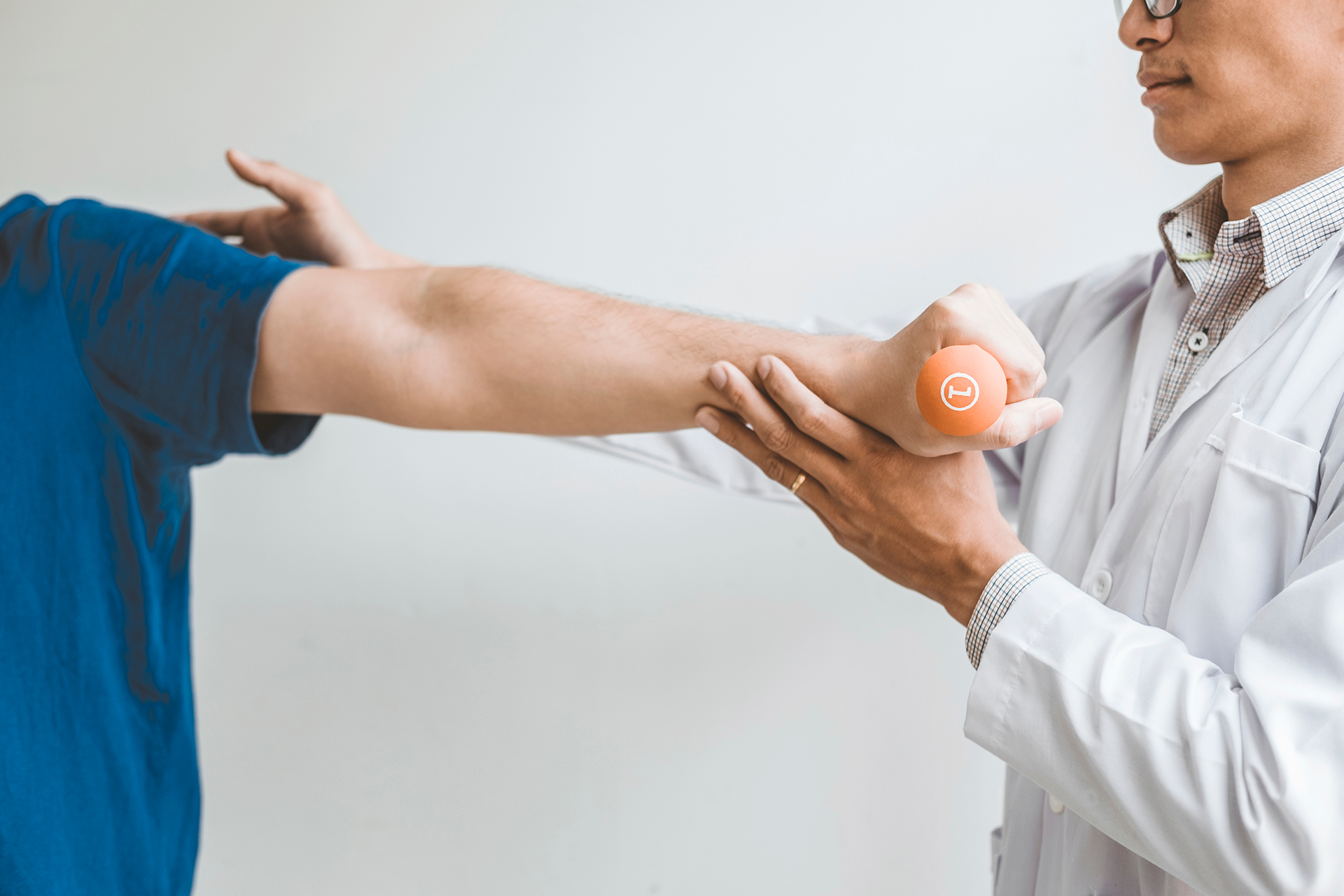
This module is for musculoskeletal physiotherapy practitioners looking to enhance their practical and reasoning skills in established settings, including outpatient clinics such as hospitals and polyclinics, and emerging ones like community rehabilitation centers.
Learners will explore the application of manual therapy methods within a holistic treatment model for individuals with lower quadrant pain and dysfunction. While the skills will be region-specific, assessment and treatment will consider the whole person.
They will engage in diverse activities to evaluate evidence-based and clinical concepts, along with advanced practical skills in musculoskeletal settings. A clinical portfolio will serve as a key reflective tool, documenting the integration of communication, clinical reasoning, and practical skills.
To enhance skill development, clinical reasoning and decision-making, the module includes peer-learning and instructor feedback. Moreover, learners will gain hands-on experience through clinical practice education in a healthcare institution to further advance their musculoskeletal physiotherapy skills.
This module is part of the Musculoskeletal Physiotherapy specialisation track in SIT’s Master of Health Sciences programme. Completing this module offers a stackable option toward a Graduate Certificate in Advanced Musculoskeletal Physiotherapy Practice and progress toward earning a Masters of Health Sciences degree.
Graduate Certificate in Advanced Musculoskeletal Physiotherapy Practice
| Module Code | Module Title | Credits |
|---|---|---|
| HSC6002C | Evidence Based Practice and Ethics | 6 |
| PTY6201C | Advanced Musculoskeletal Practice 1 | 6 |
| PTY6202C | Advanced Musculoskeletal Practice 2 | 6 |
| Total | 18 | |
Skills you’ll gain
Health Sciences
Physiotherapy
Who Should Attend
Allied Health Professions Council (AHPC)-registered physiotherapists with at least two years of musculoskeletal practice
Individuals managing persons with musculoskeletal conditions
Prerequisites
- Bachelor's related to Physiotherapy
- AHPC-registered physiotherapists
Documents and information you would need to complete this application:
Please upload documents under Online Applications - Supporting Documents section.
- Employment support letter (Includes applicant's area of work)*
- Recognised BSc degree in physiotherapy registrable with the local regulatory bodies*
- Transcript of highest relevant qualification*
- Professional certification
- Answers to the following questions:
- Your reasons for pursuing the module (100 - 150 words)
- Why did you select SIT over other academic institutions? (100 - 150 words)
- What do you hope to achieve at the completion of the module? (100 - 150 words)
Note:
* Mandatory documents
Learning Outcomes
This module is predominantly delivered through a competency-based education (CBE) approach where learners acquire and demonstrate mastery of knowledge and skills that are directly relevant to job functions. This prepares them to be industry-ready where they can apply their newly acquired competencies to their work.
After successfully completing this module, learners will be able to:
Apply theory in clinical practice by integrating practical skills into the management of patients with lower quadrant conditions.
Perform clinical assessment and treatment of lower quadrant disorders originating in the musculoskeletal system.
- Explain clinical reasoning for lower quadrant cases concerning the musculoskeletal system.
- Demonstrate effective communication with all stakeholders involved in managing patients with lower quadrant conditions.

Coaching for Success
During the course, you will have access to a team of qualified success coaches who can work with you on learning strategies or to develop a personalised learning plan. Through the success coaches, you can gain access to a wide range of resources and support services, and be empowered with the necessary tools to navigate your learning journey successfully.
Teaching Team
Jiaying Ho
Lead Professional Officer, Singapore Institute of Technology
View profile
Benjamin Soon Tze Chin
Associate Professor | Prog Leader, Rehabilitation (Health and Social Sciences), Singapore Institute of Technology
View profile
Course Details
| Week | Topics |
|---|---|
| Week 1 | Clinical: principles, forms, patient interview Clinical reasoning: hip complex, hip condition Principles of treatment selection for hip |
| Week 2 | Physical examination, exercises and advanced manual therapy techniques for the hip complex Clinical practice |
| Week 3 | Clinical reasoning: knee and knee conditions Principles in the selection of manipulative therapy techniques and physiotherapy management: knee Clinical practice |
| Week 4 | Physical examination, exercises and advanced manual therapy techniques for the knee Clinical practice |
| Week 5 | Clinical reasoning: ankle and foot, ankle and foot conditions Principles in the selection of manipulative therapy techniques and physiotherapy management: ankle and foot Clinical practice |
| Week 6 | Physical examination exercises and advanced manual therapy techniques for ankle and foot Clinical practice |
| Week 7 | Break |
| Week 8 | Clinical reasoning: lumbar Complex lumbar conditions Principles of management of neural tissue dysfunction: lumbar spine and lower limb Principles of selection of manipulative therapy techniques: lumbar region Clinical practice Case presentation |
| Week 9 | Manipulation therapy techniques for lumbar region and treatment of lumbar spine and lower limb neural system Clinical practice |
| Week 10 | Clinical reasoning: pelvic and pelvic conditions Principles of selection of manipulative therapy techniques: pelvic region Clinical practice |
| Week 11 | Physical examination exercise and management of pelvic region including real-time ultrasound Clinical practice |
| Week 12 | Clinical practice |
| Week 13 | Guided revision of practical Reflection report and case-based clinical reasoning assignment |
| Week 14 | Practical exam |
Note:
Learners via the Modular Certification Pathway may use their clinical cases at work, in place of clinical practice, to prepare reflective pieces for their clinical portfolio.
| Course Run | Dates | Time |
|---|---|---|
| TBC | TBC | 9:00 am – 6:00 pm |
Certificate and Assessment
A Certificate of Attainment will be issued to participants who
- Attend at least 75% of the module; and
- Undertake and pass credit-bearing assessment (worth 6 credits) during the module, which can be stacked towards the Graduate Certificate in Advanced Musculoskeletal Physiotherapy Practice or SIT's Master of Health Sciences
Participants who meet the attendance requirement but do not pass the assessment will receive a Certificate of Participation.
Assessment Plan
- Learners will undertake a combination of assignments and practical examination.
Fee Structure
The full fee for this course is S$4,469.00.
| Funding Category | Eligible Funding | Course Fees Payable After Funding |
|---|---|---|
| Singapore Citizen (Below 40) | 70% | S$1,340.70 |
| Singapore Citizen (Above 40) Funded under SkillsFuture Mid-Career Enhanced Subsidy (MCES) | 90% | S$520.70 |
| Singapore PR / LTVP+ Holder | 70% | S$1,340.70 |
| Non-Singapore Citizen | Not Eligible | S$4,469.00 |
Note:
- All fees above include GST. GST applies to individuals and Singapore-registered companies.
- A one-time, non-refundable matriculation fee of $54.50 will be collected before course commencement.
For Organisations
Interested in this course for your business or team?
Tailored to your organisation's specific training needs, we can help you design and develop custom courses to grow key talent and build specialist expertise to meet the future demands of work.
Course Runs
Learning Pathway
New Engineering Micro-credentials Launching Soon!
Exciting news! We are introducing new micro-credentials in Electrical and Electronic Engineering & Infrastructure and Systems Engineering. Be among the first to know by registering your interest today! Register now →