
About Course
Singapore's process industry — including the chemical, petrochemical, pharmaceutical, fine chemicals, food, semiconductor, water, and allied sectors, is under mounting pressure to decarbonise while remaining operationally competitive. Continuous processes present opportunities for process integration and heat recovery, while batch processes require optimisation of scheduling, load management, and auxiliary systems such as HVAC. As industries accelerate these decarbonisation efforts, there is growing demand for professionals who can improve energy efficiency, optimise industrial processes, and deliver low-carbon outcomes without compromising performance.
This course equips process and sustainability professionals with practical, industry-validated tools and methodologies to improve energy efficiency, optimise process performance, and implement sustainable operations.
Through a combination of theory, real-world case studies, and hands-on exercises, participants will learn to identify energy-saving opportunities, evaluate retrofit solutions, and deliver measurable improvements in energy and carbon performance across both continuous and batch industrial processes, supporting Singapore's industrial decarbonisation and competitiveness goals.
Skills you’ll gain
Energy Efficiency
Sustainability
Who Should Attend
This course is designed for:
Process engineers, production engineers, and operations managers
Energy managers and sustainability officers
Plant designers and system integrators
Maintenance and reliability engineers
Professionals involved in process simulation, optimization, and audit functions
Consultants and trainers in industrial energy efficiency
Minimum Entry Requirements
- A diploma or degree in Engineering (Chemical, Mechanical, or Process) or a related scientific discipline
Learning Outcomes
By the end of the course, learners will be able to:
- Conduct energy audits and pinch analyses to identify and quantify energy savings.
- Optimize key unit operations (heating, cooling, distillation, compression, etc.) in process industry.
- Evaluate retrofit strategies and assess cost-benefit implications for process improvements.
- Develop load-smoothing and scheduling improvements for batch operations.
- Improve energy performance of HVAC, cleanroom, and air handling systems in pharmaceutical facilities.
- Design and present an Energy Efficiency Improvement Plan integrating sustainability and regulatory considerations.

Teaching Team
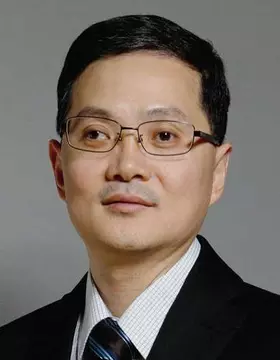
Dr. Li Chuanzhao
Associate Professor | Prog Leader, Chem & Pharma Engineering (Food, Chemical and Biotechnology), Singapore Institute of Technology
View profile
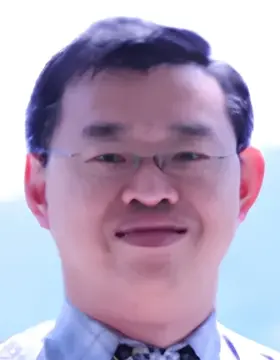
Ir. Dominic Foo
Professor, of Process Design and Integration at the University of Nottingham Malaysia Campus and Founding Director for the Centre of Excellence for Green Technologies
View profile
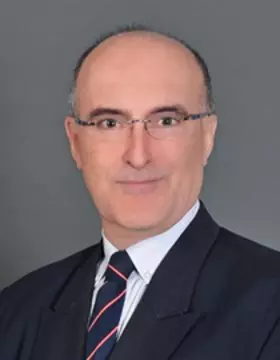
Paul Nicholas Sharratt
Professor, Singapore Institute of Technology
View profile
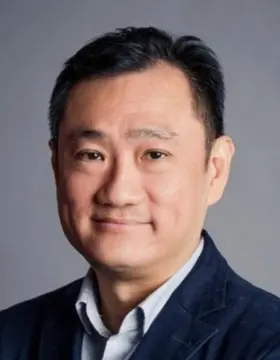
Dr Lim Sing Yong
Experienced International Energy Practitioner
View profile
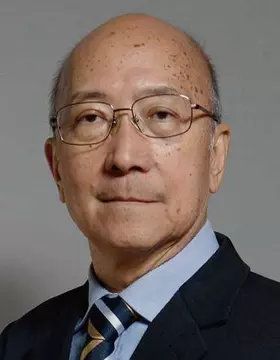
Er. Dr. Lock Kai Sang
Professor, Engineering, Singapore Institute of Technology
View profile
Course Details
| Course Run | Dates | Time |
|---|---|---|
| October 2026 Run | 5 - 9 Oct 2026 | 9:00 am – 6:00 pm |
-
Day 1
Foundations of Energy Efficiency and Carbon Management in Process Industries
Understanding energy flows, systems, and sustainability imperatives.
Topic Activity - Global and industrial energy trends
- Energy intensity and carbon footprint in process industries
- Design for net-zero challenges
- Principles of thermodynamics and energy balances in process systems
- Overview of process energy systems: steam, cooling systems, heat exchangers, pumps, compressors
- Types and sources of energy losses
- Introduction to energy and carbon auditing and benchmarking
- Energy mapping exercise (participants draw process energy flow diagrams)
- Case discussion: Energy breakdown in a typical refinery or chemical plant
-
Day 2
Energy Audit and Regulatory Compliance
Quantifying and locating inefficiencies through systematic assessment.
Topic Activity - Steps in an industrial energy audit (preliminary, detailed, and post-audit phases)
- Measurement techniques and instrumentation (flow, temperature, power, etc.)
- Data collection and analysis for process optimisation
- Key performance indicators (KPIs) and benchmarking methods
- Use of software tools and digital platforms for energy analysis
- Energy conservation act mandatory requirements
- Workshop: Develop an energy audit plan for a sample process
- Demonstration: Using data to calculate specific energy consumption (SEC)
-
Day 3
Process Optimisation and Retrofit Strategies (Continuous Sectors)
Applying engineering tools to optimise energy and resource utilisation in continuous processes.
Topic Activity - Process modeling and simulation fundamentals
- Pinch analysis and heat exchanger network optimisation
- Waste heat recovery systems and cogeneration (CHP)
- Retrofit design for distillation, evaporation, and reaction systems
- Debottlenecking techniques for throughput and efficiency improvement
- Workshop: Pinch analysis exercise using simplified process data
- Case study: Process integration success story in a chemical or petrochemical plant
-
Day 4
Batch and Pharmaceutical Sector Energy Efficiency
Identifying and addressing energy efficiency opportunities specific to batch and pharmaceutical operations.
Topic Activity - Characteristics of batch versus continuous energy profiles
- Scheduling and load-smoothing to avoid inefficient partial loads
- Optimisation of HVAC and cleanroom air handling systems
- Lighting and auxiliary system energy reduction
- On-site waste handling opportunities for Scope 3 emission reduction
- Regulatory and operational constraints in pharmaceutical processes
Case study: Energy mapping and improvement planning in a pharmaceutical production environment -
Day 5
Energy-Efficient Utilities, Sustainability, and Implementation
Integrating utility optimisation, sustainability, and decarbonisation strategies for implementation.
Topic Activity - Steam and condensate systems optimisation
- Air compressors, fans, and motor-driven systems with VFD applications
- Cooling water and refrigeration systems optimisation
- Digital transformation: predictive analytics, digital twins, and AI for energy management
- Life cycle and carbon footprint analysis of process systems
- ISO 50001 energy management framework and financial evaluation of retrofit projects
- Managing change and fostering a culture of continuous improvement
- Hands-on or virtual lab: Utility system performance benchmarking
- Capstone project: Develop and present an Energy Efficiency Improvement Plan
Learning Hours
Total: 40 hours
- Classroom Facilitated Training: 40 hours
Certificate and Assessment
A Certificate of Participation will be issued to learners who:
- Attend at least 75% of the course
- Undertake and pass non-credit bearing assessment during the course
Fee Structure
The full fee for this course is S$5,450.00.
| Funding Category | Eligible Funding | Course Fees Payable After Funding |
|---|---|---|
| Singapore Citizen (Below 40) | 70% | S$1,635.00 |
| Singapore Citizen (Above 40) Funded under SkillsFuture Mid-Career Enhanced Subsidy (MCES) | 90% | S$635.00 |
| Singapore PR / LTVP+ Holder | 70% | S$1,635.00 |
| Non-Singapore Citizen | Not Eligible | S$5,450.00 |
Note:
- All fees above include GST. GST applies to individuals and Singapore-registered companies.
For Organisations
Interested in this course for your business or team?
Tailored to your organisation's specific training needs, we can help you design and develop custom courses to grow key talent and build specialist expertise to meet the future demands of work.
Course Runs
Learning Pathway

Earn a Graduate Certificate
The Graduate Certificate in Sustainability Principles and Practices is designed to equip professionals with the sustainability-related expertise to navigate industry demands, regulatory shifts, and sustainability challenges in the evolving landscape.
Explore More
New Engineering Micro-credentials Launching Soon!
Exciting news! We are introducing new micro-credentials in Electrical and Electronic Engineering & Infrastructure and Systems Engineering. Be among the first to know by registering your interest today! Register now →