
About Course
Compressed air, boiler and steam systems are among the most energy-intensive utility systems in industrial operations, and even modest efficiency gains can meaningfully reduce operating cost. Advances in measurement, monitoring and energy audit methodology now make it possible for engineers and facility professionals to quantify these gains with precision and translate findings directly into system improvements.
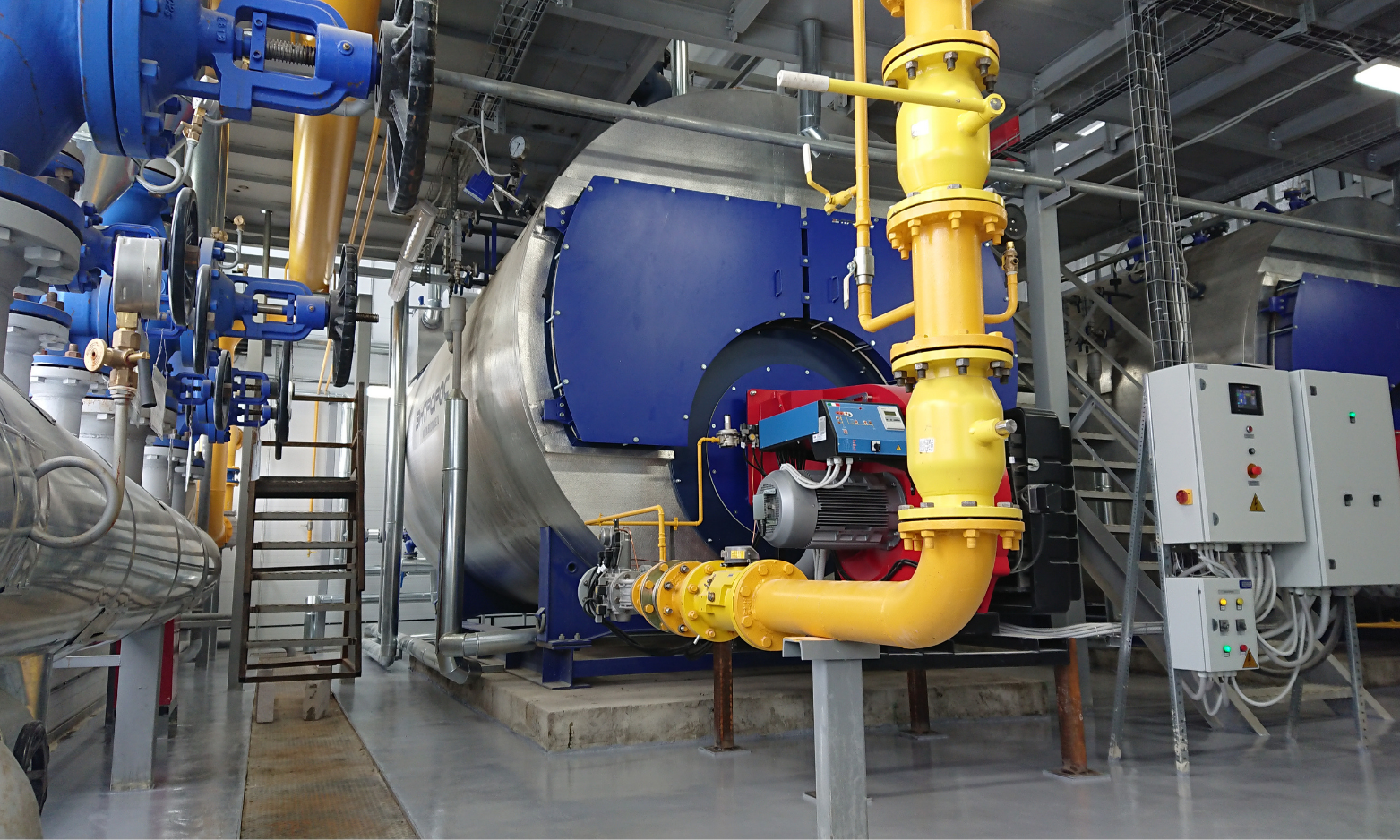
This course covers the design, operation and performance optimisation of compressed air, boiler and steam systems, the utility systems that underpin much of industrial energy use. Content is structured around two core systems: compressed air, and boiler and steam. Learners work through the physics, controls and energy efficiency principles of each system before applying measurement, verification and mini energy audit techniques to identify inefficiencies and evaluate improvement opportunities.
Learning is delivered through classroom-facilitated training combined with hands-on practical workshops at SIT's Energy Efficiency Training Facility, where learners work directly with live compressor, boiler and steam-trap systems and an Energy Management System for real-time data collection and analysis.
Skills you’ll gain
Energy Efficiency
Who Should Attend
This course is designed for:
Energy engineers and managers
Facility managers
Professionals involved in the design, operation, maintenance or sales of compressed air systems
Engineers and technicians responsible for boiler and steam system operations
Minimum Entry Requirements
- Basic understanding of boiler, steam and compressed air system operating principles
- Best suited to learners with a technical or engineering background
Learning Outcomes
By the end of the course, learners will be able to:
- Explain compressor, boiler and steam system fundamentals, including the physics and thermodynamics of compressed air and the working principles of steam boilers.
- Apply energy-efficient design and operational principles for compressed air systems, including dimensioning and servicing of compressor installations.
- Assess and improve compressed air system efficiency, identifying opportunities for energy performance gains.
- Evaluate VFD and control optimisation strategies for energy savings in compressed air systems.
- Explain boiler energy efficiency measures, including combustion fundamentals and heat transfer principles.
- Conduct measurement, verification and mini energy audits across compressed air and boiler and steam systems.
- Interpret performance data from hands-on testing, using instrumentation on live compressor, boiler and steam-trap systems.

Teaching Team
Dr Jahangeer K Abdul Halim
Founder and CEO, Energy Conservation Specialists Singapore Pte Ltd
View profile
Alagesan Muthukumarasamy
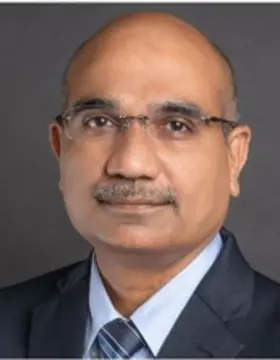
Energy Specialist and Research Fellow, Energy Efficiency Technology Centre, Singapore Institute of Technology
View profile
Swaminathan Rajasekar
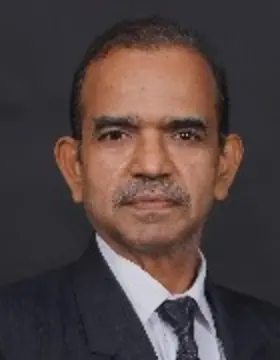
Research Fellow, Energy Efficiency Technology Centre, Singapore Institute of Technology
View profile
Course Details
| Course Run | Dates | Time |
|---|---|---|
| January 2027 | 18 - 22 Jan 2027 | 9:00 am – 6:00 pm |
-
Day 1
Topic - Physics and thermodynamics of compressed air / Compressor types, controls and auxiliary equipment
- Cooling systems and maintenance practices
- Dimensioning and servicing compressor installations
- Energy efficiency improvement opportunities and assessments
-
Day 2
Topic - Compressed Air Systems — Planning and methodology for energy efficiency assessments
- Compressed Air Systems — Data collection, analysis, and documentation of findings
- Boiler & Steam Systems — Steam properties and fundamental principles / Combustion fundamentals / Heat transfer and waste heat recovery
- Boiler & Steam Systems — Steam boiler design, operation, and maintenance / Steam distribution and water treatment practices / Troubleshooting common boiler issues
-
Day 3
Topic - Energy efficiency assessment and improvement methods
- Best practices for optimising boiler and steam system performance
-
Day 4
Topic Practical Workshop
- Setup and operation of a compressor test rig / Measurement of pressure, flow, and efficiency under varying loads
- Comparison of valve control versus variable-speed operation
- Analysis of pressure drops, leaks, and energy-saving measures
- Capacity selection and its impact on energy performance
-
Day 5
Topic Practical Workshop
- Measurement of boiler direct efficiency and energy balance / Evaluation of feedwater temperature impacts
- Simulation of steam leaks and pressure variations / Implementation of blowdown heat recovery and other energy recovery options
- Steam trap selection, leakage calculation and inspection techniques / Air trap in the steam line / Group Assessment
Group Assessment
- Boiler and Steam System Audit Report and Presentation, including evaluation of data interpretation and recommendations
Learning Hours
Total: 40 hours
- Classroom Facilitated Training and Practical Laboratory Workshops
Certificate and Assessment
A Certificate of Attainment will be issued to learners who:
- Attend at least 75% of the course
- Undertake and pass the required assessment during the course
Learners who meet the attendance requirement but do not pass the assessment will receive a Certificate of Participation.
Mode of Assessment: Group Project and Presentation
Fee Structure
The full fee for this course is S$5,450.00.
| Funding Category | Eligible Funding | Course Fees Payable After Funding |
|---|---|---|
| Singapore Citizen (Below 40) | 70% | S$1,635.00 |
| Singapore Citizen (Above 40) Funded under SkillsFuture Mid-Career Enhanced Subsidy (MCES) | 90% | S$635.00 |
| Singapore PR / LTVP+ Holder | 70% | S$1,635.00 |
| Non-Singapore Citizen | Not Eligible | S$5,450.00 |
Note:
- All fees above include GST. GST applies to individuals and Singapore-registered companies.
For Organisations
Interested in this course for your business or team?
Tailored to your organisation's specific training needs, we can help you design and develop custom courses to grow key talent and build specialist expertise to meet the future demands of work.
Course Runs
Learning Pathway

Earn a Graduate Certificate
The Graduate Certificate in Sustainability Principles and Practices is designed to equip professionals with the sustainability-related expertise to navigate industry demands, regulatory shifts, and sustainability challenges in the evolving landscape.
Explore More
New Engineering Micro-credentials Launching Soon!
Exciting news! We are introducing new micro-credentials in Electrical and Electronic Engineering & Infrastructure and Systems Engineering. Be among the first to know by registering your interest today! Register now →