
About Course
Concepts and skills for analysing medical images and interpreting investigation reports will be covered, with a key focus on plain film radiography.
This module is designed to develop knowledge, skills and competencies in integrating diagnostic imaging of musculoskeletal conditions as part of safe and effective physiotherapy clinical practice.
It is designed to equip physiotherapists with the skills to confidently identify indicators and contraindications for ordering plain film radiography in musculoskeletal assessments. It also addresses the ethical considerations involved in the use of diagnostic imaging.
This module strengthens the learner’s ability to incorporate imaging findings into problem identification, management strategies, intervention goals and patient education in accordance with clinical practice guidelines. A key emphasis of this module will be on the patient’s safety and enabling physiotherapists to collaborate and communicate effectively with other healthcare professionals to determine suitable action plans after diagnostic imaging.
This module is the one of three modules under the Graduate Certificate in Extended Musculoskeletal Physiotherapy Practice, part of SIT’s Competency-based Stackable Micro-credential (CSM) Pathway leading to the Master of Health Sciences (MHSc).
Graduate Certificate in Extended Musculoskeletal Physiotherapy Practice
| Module Code | Module Title | Credits |
|---|---|---|
| PTY6203C | Musculoskeletal Diagnostic Imaging | 6 |
| PTY6204C | First Contact Practice Essentials | 6 |
| HSC6003C | Health and Ageing | 6 |
| Total | 18 | |
Skills you’ll gain
Health Sciences
Physiotherapy
Who Should Attend
Allied Health Professions Council (AHPC)-registered physiotherapists with at least two years of musculoskeletal practice
Individuals managing persons with musculoskeletal conditions
Prerequisites
- Bachelor's related to Physiotherapy
- AHPC-registered physiotherapists
Documents and information you would need to complete this application:
Please upload documents under Online Applications - Supporting Documents section.
- Employment support letter (Includes applicant's area of work)*
- Recognised BSc degree in physiotherapy registrable with the local regulatory bodies*
- Transcript of highest relevant qualification*
- Professional certification
- Answers to the following questions:
- Your reasons for pursuing the module (100 - 150 words)
- Why did you select SIT over other academic institutions? (100 - 150 words)
- What do you hope to achieve at the completion of the module? (100 - 150 words)
Note:
* Mandatory documents
Learning Outcomes
Diagnostic Imaging Technology
- Acquire introduction to electromagnetic energy and the effects of ionising radiation on body cells
- Understanding the different modalities within diagnostic medical imaging
Radiation Protection (Ionising Radiation) Regulations and Radiation Protection Act
- Learn cardinal principles of radiation protection including ALARA (As Low as Reasonably Achievable), including common practices
- Explore radiation protection (including ionising radiation), regulations and radiation protection act in both Singapore and global context.
Benefits, Capabilities and Limitations of Various Diagnostic Imaging
- Understanding the function of different types of diagnostic imaging
- Compare and contrast the clinical capabilities, benefits and limitations of pain film radiography with other common imaging modalities such as computed tomography (CT) scans, magnetic resonance imaging (MRI) and diagnostic ultrasound
Fundamentals in Plain Film Radiography
- Learn basic concepts and principles in plain film radiography
- Understand the commonly used X-ray terminology and viewing methods
- Explore different radiographic body positioning and equipment placement strategies to achieve various plain film radiography views
Introduction to Normal and Common Pathological Findings
- Review basic anatomical landmarks and commonly encountered pathologies in musculoskeletal practice
- Identify normal and pathological findings in diagnostic imaging of the musculoskeletal system, with a focus on plain film radiography
Plain Film Radiography Image Critique
- Gain an introduction to PACEMAN (Position, Area, Collimation, Exposure Markers, Aesthetics, name) and key concepts in image critique
Plain Film Radiography Image Interpretation
- Learn the fundamentals of systematic approaches and strategies in plain film interpretation, including ABCS (alignment, bones, cartilage/joints, soft tissues/foreign bodies) approach
Spine
- Gain an understanding of normal anatomy, trauma, degenerative changes, and common pathologies across each spinal region
- Understand the guidelines and best practices for when to order radiographic films and how to interpret them
- Explore clinical relevance and correlate imaging findings with clinical presentations and examinations through case-based discussions
- Examine key conditions such as low back pain, spinal infections, spinal neoplasms, ankylosing spondylitis, and osteoporosis
Lower Extremity
- Explore diagnostic imaging of the lower extremities, including the pelvis, hip, knee, ankle, and foot – with a focus on plain film radiography
- Examine normal anatomy, trauma, degenerative changes, and common pathologies of the lower extremities
- Review various imaging views of the lower extremities and recognise typical findings for each view
- Learn the guidelines for when to order films and how to interpret them effectively in the context of lower extremities
- Explore clinical relevance by correlating imaging findings with clinical presentations and examinations through case-based discussions in the context of lower extremities
Upper Extremity
- Explore diagnostic imaging radiology for the upper extremities (shoulder, elbow, wrist and hand) – with a focus on plain film radiography
- Examine normal anatomy, trauma, degenerative changes and common pathologies of the upper extremities
- Review various imaging views of upper extremities and recognise typical findings for each view
- the guidelines for when to order films and how to interpret them effectively in the context of upper extremities
- Explore clinical relevance by correlating imaging findings with clinical presentations and examinations through case-based discussions upper extremities

At the end of the module, learners will be able to:
- Outline radiation protection (ionising radiation) regulations and radiation protection act
- Differentiate the capabilities, benefits and limitations of plain film radiography compared to other diagnostic imaging modalities for musculoskeletal assessments
- Explain the different plain film radiography views for various body regions, including the reasoning for the specific views
- Evaluate the indications and contraindications for plain film radiography based on ethical considerations, assessment findings and clinical decision-making rules
- Differentiate between normal and common pathological or degenerative changes in plain film radiography for the musculoskeletal system
- Perform basic interpretation of plain film radiography for the musculoskeletal system
- Integrate diagnostic imaging findings and reports into clinical practice by correlating the findings with clinical examination and findings
- Enhance professional communication to patients, caregivers and other healthcare practitioners regarding diagnostic imaging findings and the appropriate action plans
Teaching Team
Audrey Lim Ei-Ping
Course Co-ordinator. Assistant Professor, Health and Social Sciences, Singapore Institute of Technology
View profile
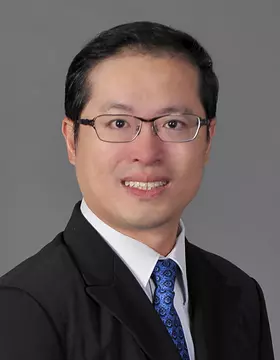
Shawn Soh Leng Hsien
Course Co-ordinator. Assistant Professor, Health and Social Sciences, Singapore Institute of Technology
View profile

Muhammad Khairulnizar Bin Azman
Senior Professional Officer, Singapore Institute of Technology

Cheryl Lian
Associate Professor, Health and Social Sciences, Singapore Institute of Technology
View profile
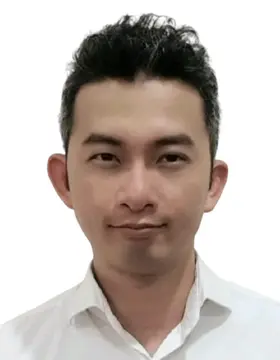
Ng Jia Hui
Clinical Application Specialist, Philips
View profile

Loh Wei Bing Jason
Principal Physiotherapist, Tan Tock Seng Hospital
Ng Khim Siong
Head of Physiotherapy, SingHealth Polyclinics
Tyrik Lee Zhen Yuan
Principal Physiotherapist, Woodlands Hospital
Dr. Daniel Seng Wei Ren
Consultant, Orthopaedic Surgery, Woodlands Hospital
Dr. Ang Mu Liang
Consultant, Orthopaedic Surgery, Woodlands Hospital
Dr. Koh Kim Hwee
Senior Consultant Family Physician, Clinic Director, SingHealth Polyclinics
Course Details
| Course Run | Dates | Time |
|---|---|---|
| Aug – Dec 2026 | 31 Aug – 6 Dec | 9:00 am – 6:00 pm |
Certificate and Assessment
A Certificate of Attainment will be issued to participants who
- Attend at least 75% of the module; and
- Undertake and pass credit-bearing assessment (worth 6 credits) during the module, which can be stacked towards the Graduate Certificate in Extended Musculoskeletal Physiotherapy Practice or SIT's Master of Health Sciences
Participants who meet the attendance requirement but do not pass the assessment will receive a Certificate of Participation.
Assessment Plan
- Learners will undertake a combination of assignments and practical examination.
Fee Structure
The full fee for this course is S$4,469.00.
| Funding Category | Eligible Funding | Course Fees Payable After Funding |
|---|---|---|
| Singapore Citizen (Below 40) | 70% | S$1,340.70 |
| Singapore Citizen (Above 40) Funded under SkillsFuture Mid-Career Enhanced Subsidy (MCES) | 90% | S$520.70 |
| Singapore PR / LTVP+ Holder | 70% | S$1,340.70 |
| Non-Singapore Citizen | Not Eligible | S$4,469.00. |
Note:
- All fees above include GST. GST applies to individuals and Singapore-registered companies.
For Organisations
Interested in this course for your business or team?
Tailored to your organisation's specific training needs, we can help you design and develop custom courses to grow key talent and build specialist expertise to meet the future demands of work.
Course Runs
Learning Pathway
New Engineering Micro-credentials Launching Soon!
Exciting news! We are introducing new micro-credentials in Electrical and Electronic Engineering & Infrastructure and Systems Engineering. Be among the first to know by registering your interest today! Register now →