
About Course
Singapore's built environment and data centre sectors are actively investing in electrical system upgrades, renewable energy integration, and intelligent building technology. Engineers and technical professionals in these sectors now have access to structured pathways to build applied competency in electrical system design, sustainable energy, and building automation — skills directly aligned to Singapore's Green Economy priorities.
This micro-credential develops competency across three integrated modules: electrical system design and installation to Singapore Standard SS638, sustainable generation and renewable energy integration, and automation and control in intelligent buildings. Learners will work with tools and concepts including IoT-enabled building controls, AI and digital twins in building automation, and PV system integration into smart grids. An integrated group project runs across the programme, applying learning from all three modules to a realistic design scenario. It is designed for engineers moving into roles such as Electrical System Engineer, Energy Manager, and Automation Specialist, and is aligned to the Skills Framework for Energy and Power.
Learning is delivered primarily online at your own pace, giving working professionals the flexibility to progress around their schedule. This is complemented by in-person sessions at SIT Punggol Campus for tutorials, laboratory work, and project consultations.
This micro-credential is part of the Competency-based Stackable Micro-credential (CSM) Pathway in Infrastructure and Systems Engineering.
Skills you’ll gain
Competency-based Education
Electrical Engineering
Energy Efficiency
Power and Clean Energy
Who Should Attend
Engineering and technical professionals working in building services, facilities and data centre environments, including:
Electrical System Engineers
Energy Managers
Automation and Control Specialists
Building Services and M&E Engineers (including those supporting data centre design and operations)
Infrastructure and Facility Management Professionals
Environmental Sustainability Design (ESD) Practitioners
Minimum Entry Requirements
A polytechnic diploma in a relevant discipline, such as mechanical or electrical engineering, building services engineering, infrastructure and facility management, or Environmental Sustainability Design (ESD).
Stack Towards an SIT Degree
Upon attaining the Specialist Certificate in this micro-credential, learners may stack their qualification towards selected SIT degree programmes:
- Bachelor of Engineering (Honours) in Infrastructure and Systems Engineering (via the CSM Pathway)
- Bachelor of Integrated Studies (Hons) in Technology and Management with Specialisation in Supply Chain
These routes to a degree enable learners to progressively build recognised academic qualifications while advancing their expertise in computing, engineering and technology-related disciplines.
Learning Outcomes
This micro-credential is predominantly delivered through a competency-based education (CBE) approach where learners acquire and demonstrate mastery of knowledge and skills that are directly relevant to job functions. This prepares them to be industry-ready where they can apply their newly acquired competencies to their work.
List of Modules
| Code | Module Title | Credits |
|---|---|---|
| SBE2112M | Electrical Systems | 6 |
| EPE3311M | Sustainable Generation and Integration | 6 |
| SBE3115M | Automation and Control in Building | 6 |
The above are modules that constitute this micro-credential. Upon completion of the micro-credential, you will be able to:
- Analyse alternating current systems by applying fundamental electrical engineering principles to AC circuits, transformers, generators, motors and power distribution systems.
- Design a building electrical installation by applying installation requirements including load estimation, cable sizing, protection selection, switchboard arrangement, standby supply and Uninterruptible Power Supply (UPS) provision, in line with Singapore Standard SS638: Code of Practice for Electrical Installations.
- Communicate an integrated electrical design through technical documentation, calculations, schematic diagrams and oral presentation.
- Analyse renewable generation principles underlying renewable and low-carbon energy systems, to assess their efficiency, feasibility and environmental impact.
- Assess deployment of alternative energy by analysing the technical, economic and environmental implications of meeting electricity needs with renewable and alternative sources.
- Evaluate grid integration of renewables against technical, economic and environmental considerations, and illustrate their application in smart grid solutions.
- Deliver a sustainable power grid project through integrated design work, technical reporting and presentation covering technical, economic and environmental aspects.
- Describe intelligent building frameworks and their system configurations at sub-system level, including Heating, Ventilation and Air Conditioning (HVAC) and lighting, and at whole-building level.
- Design and simulate intelligent systems to meet stated requirements using simulation tools.
- Evaluate the value of building intelligence including its benefits and the sociotechnical issues it raises.

Coaching for Success
During the course, you will have access to a team of qualified success coaches who can work with you on learning strategies or to develop a personalised learning plan. Through the success coaches, you can gain access to a wide range of resources and support services, and be empowered with the necessary tools to navigate your learning journey successfully.
Teaching Team
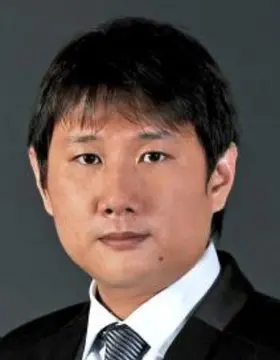
Tan Kuan Tak
Associate Professor, Engineering, Singapore Institute of Technology
View profile
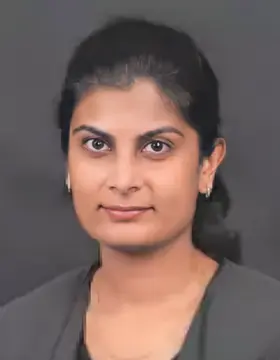
Dhivya Sampath Kumar
Assistant Professor/ Prog Leader, Engineering, Singapore Institute of Technology
View profile
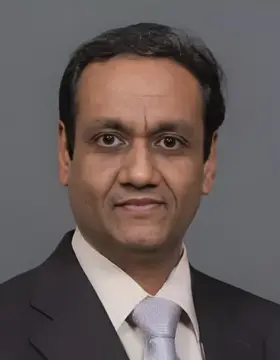
Swapnil Dubey
Assistant Professor, Singapore Institute of Technology
View profile
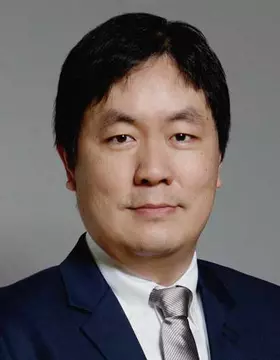
Chien Szu Cheng
Associate Professor, Engineering, Singapore Institute of Technology
View profile

Rahul Dev
Head, Regional Technical Sales, Daikin Holdings Singapore
View profile

Seah Kok Kiang
Deputy Manager, Campus Development Estate
View profile
Course Details
Schedule
| Week | Learning Activity | Delivery and Time |
|---|---|---|
| 1 – 14 | Self-directed learning (pre-recorded videos) and discussion forum | Asynchronous online |
| 1 – 14 | In-person lecture/training and laboratory sessions | In-person at SIT@Punggol Campus Time TBC |
| 1 – 14 | Tutorials and consultations | Synchronous online |
| TBC | Assessments and integrated project presentation | In-person at SIT@Punggol Campus Time TBC |
Certificate and Assessment
A Specialist Certificate in Electrical System and Energy Management will be issued to learners who:
- Attend at least 75% of the course and
- Undertake and pass all credit bearing assessments
Learners who meet the attendance requirement but do not pass the assessments will receive a Certificate of Participation.
Assessment Plan
Assessment is by two quizzes and an integrated group project assignment, together with the in-module tests and project presentations set out in the schedule above.
Fee Structure
The full fee for this course is S$10,006.20.
Note:
- A one-time, non-refundable matriculation fee of $54.50 will be collected before course commencement.
- All fees above include GST. GST applies to individuals and Singapore-registered companies.
- Should you decide to convert to the degree pathway, you will be subject to SIT’s tuition fees and may qualify for the Ministry of Education (MOE) tuition grant, based on eligibility criteria set by MOE. Please note that the SkillsFuture subsidy will no longer be applicable once you convert to the degree pathway.
For Organisations
Interested in this course for your business or team?
Tailored to your organisation's specific training needs, we can help you design and develop custom courses to grow key talent and build specialist expertise to meet the future demands of work.
Frequently Asked Questions
Fee Subsidy & Funding
-
Who qualifies for SkillsFuture course fee subsidy?
Singapore Citizens, Permanent Residents and LTVP+ holders are eligible for SkillsFuture Course Fees Funding. Refer to Fee Structure for details.
-
If I fail or drop out of the programme, what will happen to the funding I’ve received?
If you fail the programme or drop out without a valid reason, you may be required to refund the course fee subsidy you received. Learners are encouraged to complete all modules and pass the assessments to fully benefit from the programme and retain the funding support.
-
What if I turn 40 years old in the middle of the programme?
If you turn 40 years old during the programme, you will become eligible for the Mid-Career Enhanced Subsidy from the month you turn 40. This subsidy can cover up to 90% of programme fees.
SkillsFuture Mid-Career Training Allowance (Part-time)
-
Who is eligible for SkillsFuture Mid-Career Training Allowance?
Singapore Citizens aged 40 years old and above and is in-employment with income in the last 12 months are eligible for SkillsFuture Mid-Career Training Allowance (Part-time) when they enrol into a Competency-based Stackable Micro-credential. Subject to application approval by SkillsFuture Singapore.
-
When and how do I apply for the training allowance?
You can login to SkillsFuture Portal with your SingPass to submit your application for the SkillsFuture Training Allowance (Part-time) up to two (2) months before the course start date.
-
How much training allowance will I receive upon successful application?
You will receive an allowance of $300 per month for the period of your 3-month micro-credential course.
-
What are the requirements I need to fulfil in order to receive the monthly training allowances?
You will need to fulfill a minimum of 75% attendance of the course.
Course Runs
Learning Pathway
Earn specialist certificates through micro-credentials in the following CSM pathways. Stack these micro-credentials towards a bachelor's degree at SIT.


New Engineering Micro-credentials Launching Soon!
Exciting news! We are introducing new micro-credentials in Electrical and Electronic Engineering & Infrastructure and Systems Engineering. Be among the first to know by registering your interest today! Register now →