Applying AI to Predict and Reduce Risk in International Shipping

Avatar for Scott JONES
Scott JONES    
Senior Lead Professional Officer

Read More 

Avatar for Tradeflow Capital MANAGEMENT
Tradeflow Capital MANAGEMENT   
Researcher
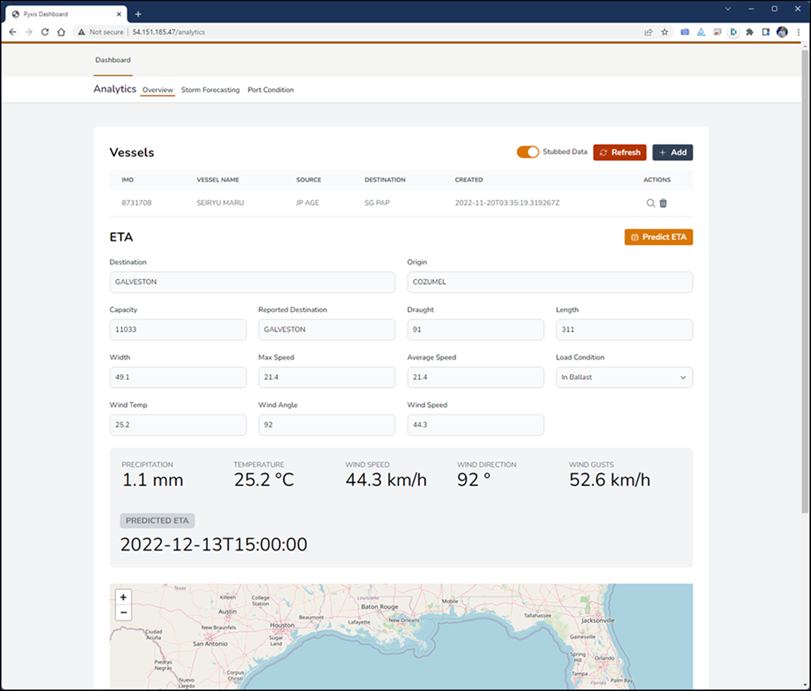
Delivered a working prototype of the Pyxis Dashboard, which connects to a backend AI engine to provide real-time vessel tracking, predict shipping delays, and estimate demurrage charges.

Problem Statement

A major challenge in international shipping is accurately estimating cargo delivery times and assessing the risk of delays. Demurrage costs can escalate rapidly, eroding profit margins, while shipping delays also contribute significantly to CO₂ emissions.

Impact

Singapore’s ports handle around 1,000 vessels at any time, with a ship arriving or departing every 2–3 minutes. This solution could significantly reduce demurrage costs and lower the industry’s carbon footprint.

The AI project on shipping and journey optimisation has generated multiple benefits for Tradeflow, including $250K per year in cost avoidance.
 

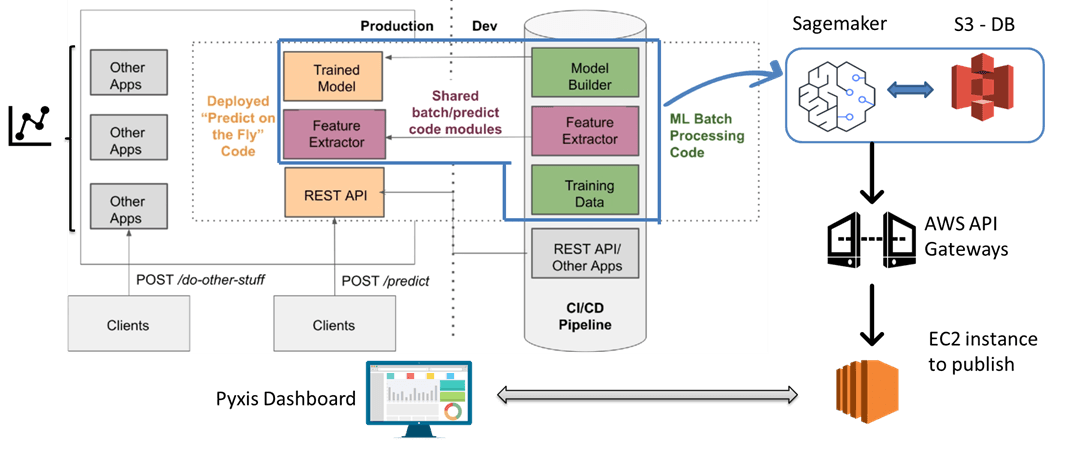
A technical architecture diagram for the "Pyxis Dashboard" system. The diagram shows the flow between "Production" and "Dev" environments, highlighting shared code modules for feature extraction and model prediction. It illustrates integration with AWS Sagemaker and S3 storage, processing via API Gateways and EC2 instances, and final data delivery to the Pyxis Dashboard.


A web browser screenshot of the Pyxis Dashboard analytics interface. The page displays vessel information, including IMO number and name, alongside an "ETA Prediction" form with input fields for voyage parameters like destination, draught, and weather conditions (wind speed, temperature, and precipitation). A map preview is visible at the bottom of the page.


  • More efficient shipping translates to reduced supply chain costs. This also contributes to more affordable goods and enhanced trade accessibility for developing markets.
  • Environmentally, it reduces carbon emissions by minimising fuel consumption through optimised routing and vessel utilisation, directly supporting global climate goals.