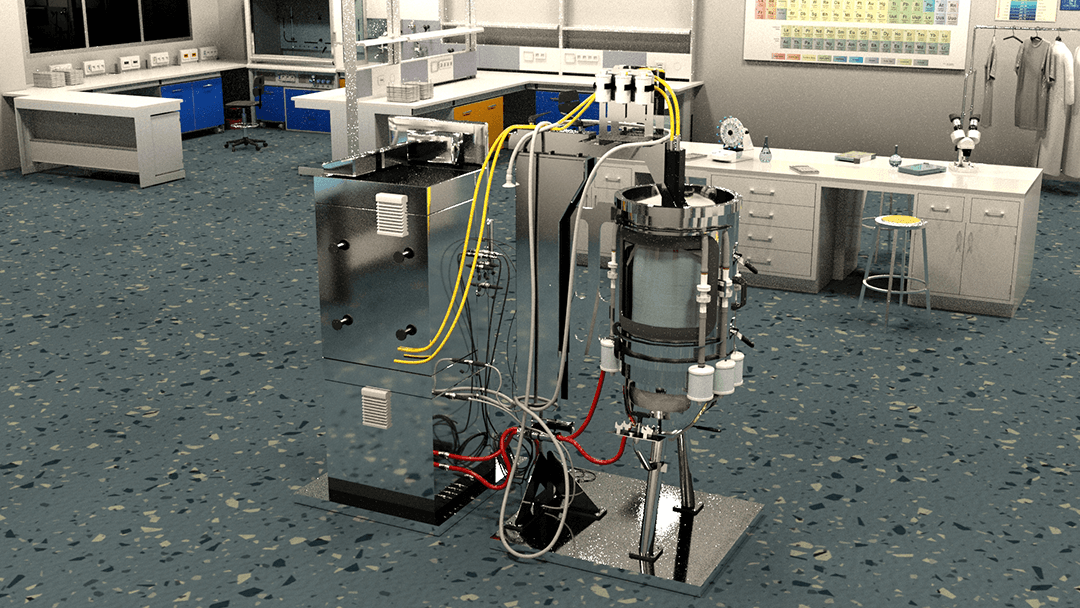
The project aims to enhance student learning by strengthening the connection between theoretical concepts and real-world applications.
One key limitation of a traditional chemical engineering curriculum is the limited opportunity for students to gain immersive exposure to real engineering plant equipment, which is often highly regulated. As a result, students may understand the theory but face challenges in applying these concepts effectively in practice.
VR offers a practical way to expose chemical engineering students to plant equipment within a classroom setting. As VR technology becomes more accessible and affordable, its potential for education has grown. However, many educators face challenges in adopting VR, largely due to the lack of suitable, curriculum-aligned VR content.
To address this gap, this proof-of-concept project will develop both VR content and teaching approaches for integrating immersive virtual reality into a chemical engineering curriculum.
Key outcomes include validating the effectiveness of this approach and developing VR design guidelines, which can be adapted for other engineering programmes with strong practical components.
![[FA] SIT One SITizen Alumni Initiative_Web banner_1244px x 688px.jpg](/sites/default/files/2024-12/%5BFA%5D%20%20SIT%20One%20SITizen%20Alumni%20Initiative_Web%20banner_1244px%20x%20688px.jpg)