Project Kampong Lorong Buangkok

Avatar for Chek Tien TAN
Chek Tien TAN    
Associate Professor

Read More 

Avatar for Intan Azura MOKHTAR
Intan Azura MOKHTAR    
Researcher

Read More 

Avatar for Jawn LIM
Jawn LIM    
Researcher

Read More 

Avatar for Charles CAROLL
Charles CAROLL    
Researcher

Read More 

Avatar for Agnes XUE
Agnes XUE    
Associate Professor

Read More 

Avatar for Kenneth LOW
Kenneth LOW    
Researcher

Read More 

Avatar for Terence Heng (uni LIVERPOOL)
Terence HENG (Uni Liverpool)    
Researcher

Read More 

Avatar for Jackie Lai (jia STUDIOS)
Jackie LAI (JIA Studios)    
Researcher

Read More 

Avatar for Lina Koh (pa SINGAPORE)
Lina KOH (PA Singapore)    
Researcher

Read More 

The aim of this project was to capture the rich oral history accounts and collective stories about the kampong and its people before urban redevelopment and renewal, or gentrification, took over. 

Kampong Lorong Buangkok is the last remaining rural village or kampong on mainland Singapore. It was first established in 1956 and is also known by the name Kampong Selak Kain (meaning to hitch one’s skirt or sarong, as the kampong experienced frequent flash floods in the past). 


The kampong land, measuring 1.22 hectares, was acquired by a traditional Chinese medicine man named Mr Sng Teow Hoon in 1956 and initially housed only five or six families. Mr Sng and his daughter, Ms Sng Mui Hong, subsequently managed the kampong thereafter, and Ms Sng continues to live in the kampong to this day. Mr Sng passed away in 1997.


With the above motivation, this project sought to achieve the following objectives:
1.    Compilation of oral history accounts and personal narratives by the residents still living in the kampong, who have seen changes in the kampong and its surrounding areas from pre-independence (1956) to present day, where such oral history accounts will be able to provide rich insights into the social changes that have happened in the kampong, a microcosm of multi-racial and multi-religious Singapore
2.    Production of a detailed 3-dimensional layout of the kampong, harnessing virtual reality (VR) technologies, that can be captured and displayed on various technological platforms in the future, whether online or in exhibitions, community showcases or roadshows. This is particularly important in preserving the memory of the kampong when it eventually makes way for urban redevelopment
3.    Compilation of the above audio-visual, text-based and digital documentation will serve as a basis for cultural, heritage, historical and values education, and racial-religious understanding, among current and future generations of Singaporeans
4.    Opportunities for SIT students to be involved in an extensive social and community project that helps fulfil the fourth SIT-DNA of being ‘Grounded in the Community’.

Impact
1.    A compilation of residents’ oral histories and personal narratives, presented through audio-visual recordings and selected print publications (e.g. a coffee table book).
2.    Technology-enabled audio-visual documentation of the kampong, including potential 3D physical and digital/VR models of its layout.
3.    An online platform showcasing oral histories, photographs, video footage, and 3D digital/VR representations of the kampong.
4.    Campus-wide exhibitions at SIT and community exhibitions at community centres, providing public access to the above deliverables.


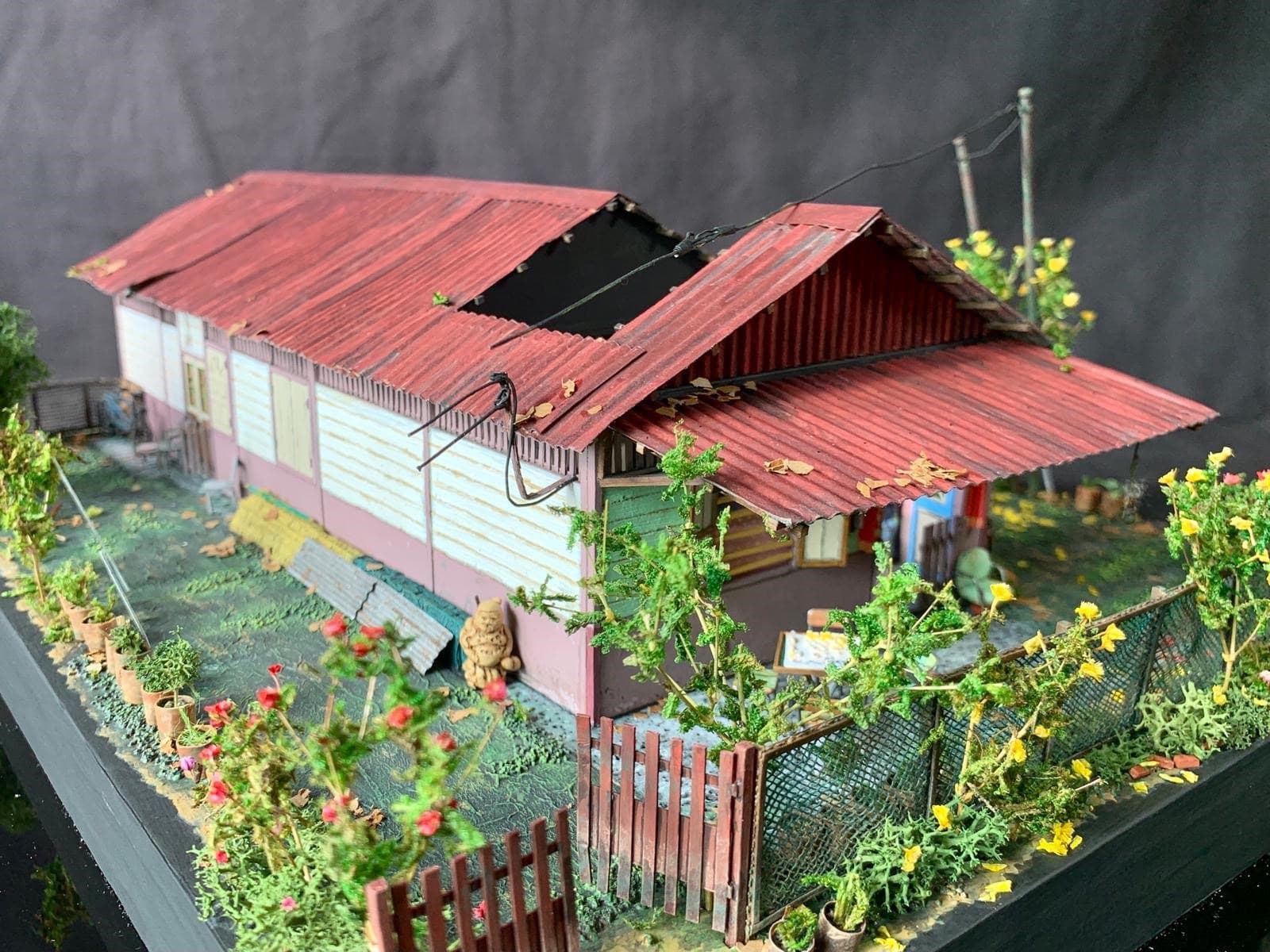
A detailed scale model of a traditional kampong house featuring a red corrugated zinc roof, wooden siding, and a small garden with potted plants and a picket fence.
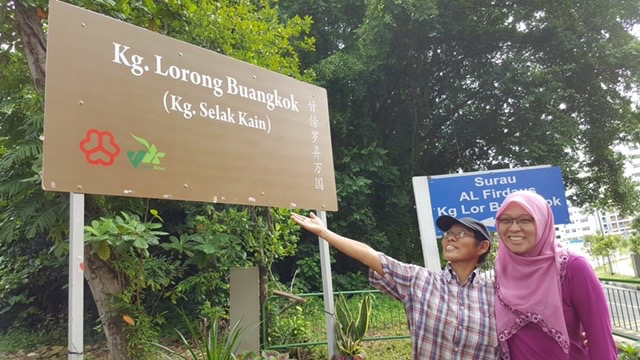
Two women posing and pointing towards a brown wooden sign for "Kg. Lorong Buangkok (Kg. Selak Kain)" with a lush green forest background.

There are currently 25 families still living in the kampong. While each family owns the wooden house they live in, they pay rent for the land on which their house stands. The monthly rent is paid to Ms Sng (pictured below), and ranges from S$6.50 to S$30.00 (Personal communication, 2018). The kampong is made up of both Chinese and Malay residents.

Kampong Lorong Buangkok has been earmarked for urban redevelopment, as shown in the Singapore Urban Redevelopment Authority (URA) Master Plan 2019. It is expected to make way for a three-lane bidirectional highway, two schools, and a public park. 


An adjournment motion on “Preserving green spaces and heritage in the Jalan Kayu constituency” was raised in Parliament on 2 October 2017 by Dr Intan Azura Mokhtar, calling for the kampong to be preserved and integrated with urban life (Toh, 2 Oct 2017).
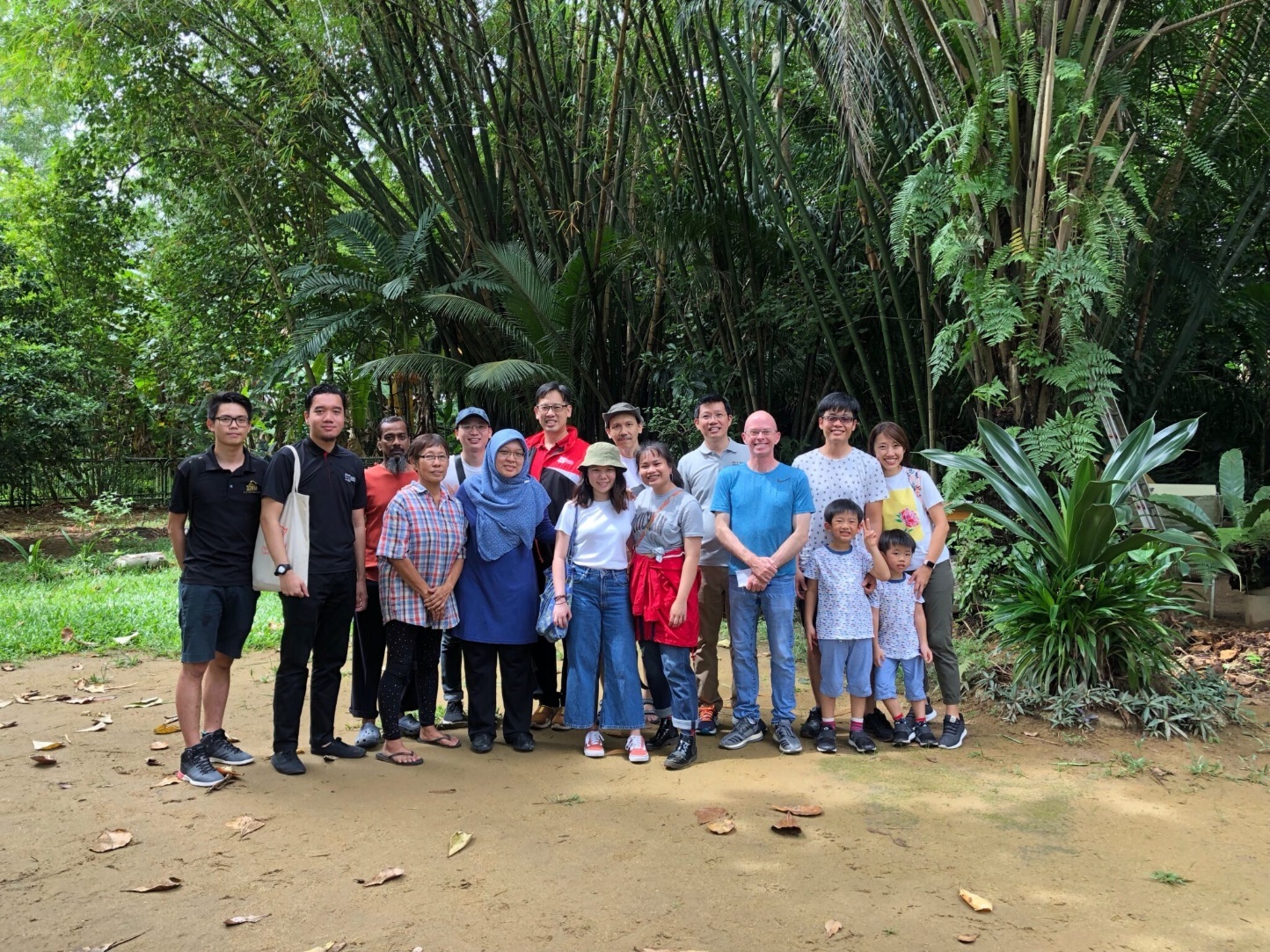
 

A group of approximately fifteen people of diverse ages and backgrounds posing for a photo in front of a dense bamboo and tropical plant grove.


Although the government had assured that URA would not touch the kampong for “several decades,” it is unlikely to be retained permanently.  A project team comprising social sciences and design academics from SIT was convened in September 2018, and was awarded the SIT Ignition Grant in December 2018, to carry out a documentation project of the last kampong on mainland Singapore – Kampong Lorong Buangkok. 


The project team was led by Dr Intan Azura Mokhtar (Associate Professor and Deputy Director, Community Leadership and Social Innovation Centre (CLASIC), SIT) and comprised Dr Jawn Lim Tze-Hin, Dr Charles Carroll, and Dr Agnes Xue Lishan (all from Design and Specialised Businesses Cluster, SIT). 


Collaborators for the project included Dr Kenneth Low Choon Ann (ENG, SIT), Dr Tan Chek Tien (ICT, SIT), and Dr Terence Heng (University of Liverpool).
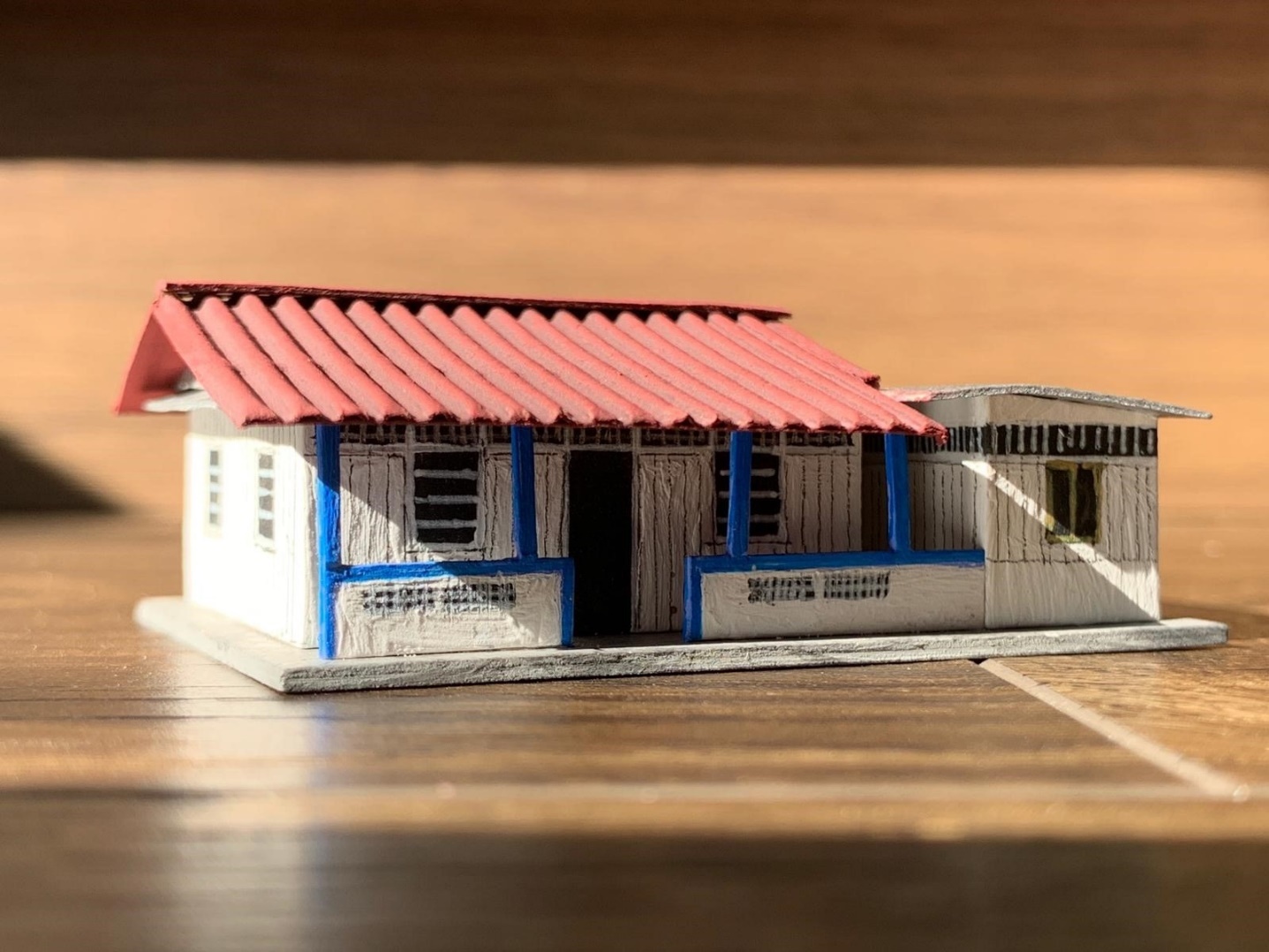
 

A simple architectural scale model of a white kampong house with a red roof and blue trim, shown in close-up on a wooden surface.


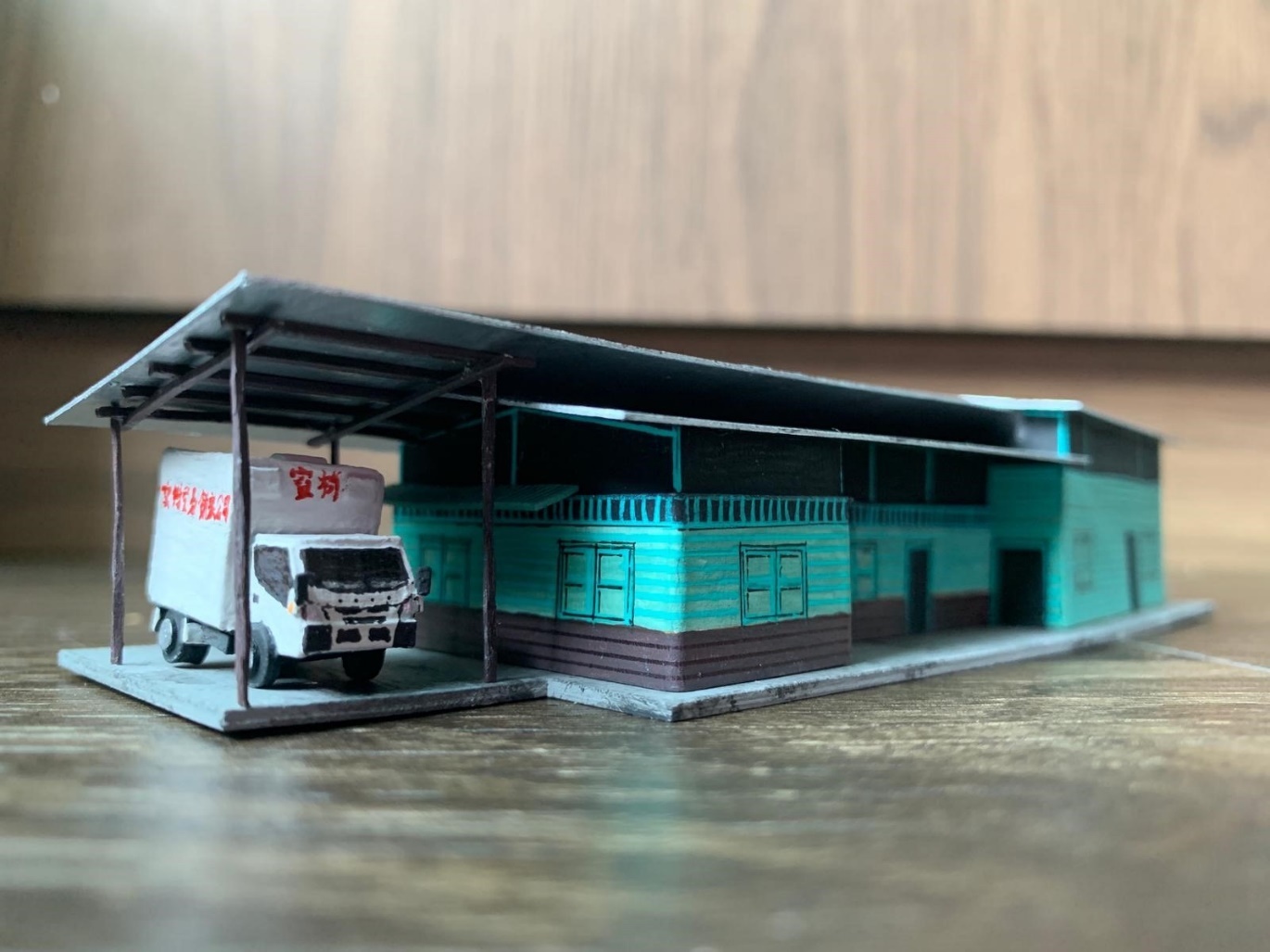
A scale model of a long teal-colored building with a large grey overhang, featuring a small white delivery truck parked underneath the shelter.


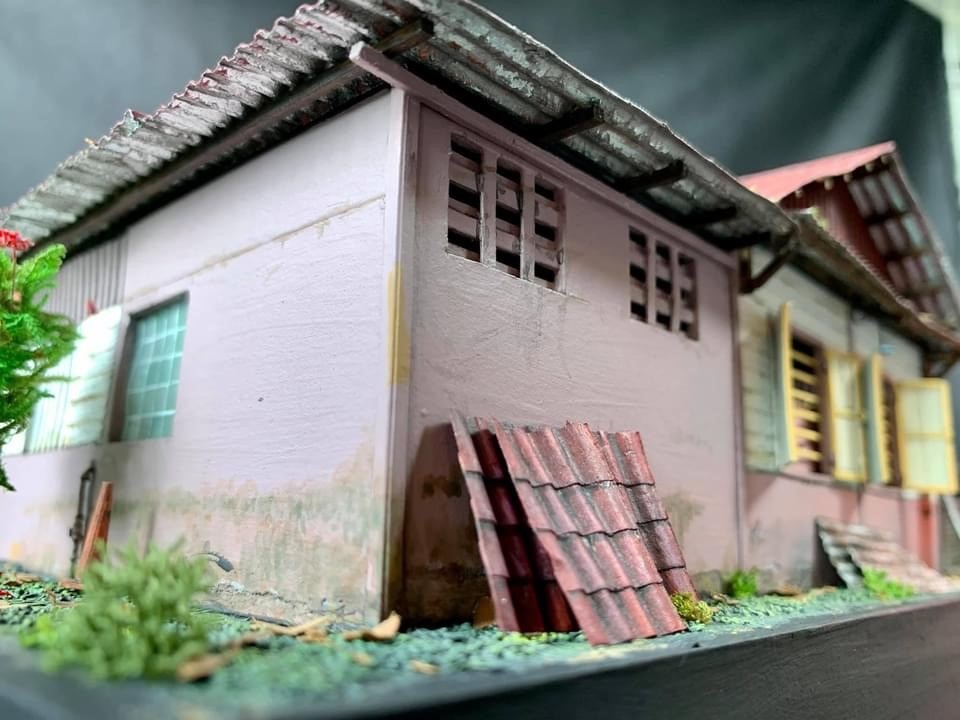
A low-angle close-up of a pink kampong house model, showing realistic weathering on the walls and pieces of corrugated roofing leaning against the side.


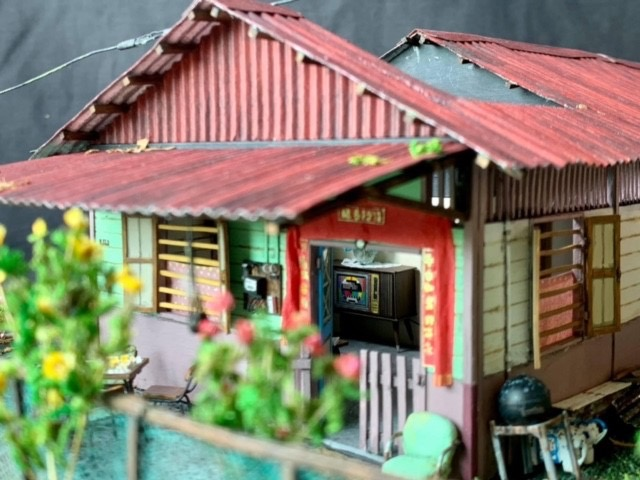
A detailed close-up of a green kampong house model’s entrance, showing red banners over the door and a tiny vintage television visible inside.


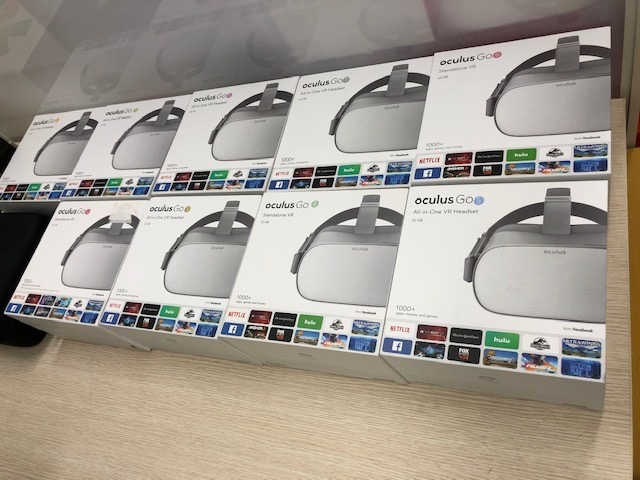
oculus rifts


The virtual tour of the kampong was originally built for the Oculus Go VR headset as it was relatively affordable, portable and lightweight for non-enthusiasts. 


Eye gaze was implemented as the primary interaction modality for accessibility, allowing participants using the Oculus goggles to “walk” around the kampong, “enter” a few houses, read fun facts, or watch and listen to audio-visual clips of residents—simply by focusing their gaze on specific icons in the virtual tour. The ambient sounds of the kampong such as chirping birds and crickets, enhance the surround sound during the virtual experience.
 

Live demo:

WebVR Link