


Interprofessional Skills Course: Team-based Care in the Community
[TGS-2026063152] Be equipped with the skills needed for effective team-based, community-centered care, focusing on practical assessment and intervention strategies as a healthcare professional. By fostering interprofessional collaboration, participants will enhance their ability to deliver holistic, person-centered care and improve patient outcomes across diverse settings.
About Course
As healthcare delivery shifts toward integrated care models, the Ministry of Health is placing greater emphasis on equipping health professionals with cross-disciplinary skills to provide holistic care, particularly within community settings.
This growing focus on interprofessional collaboration reflects the evolving healthcare landscape, where meeting the diverse needs of patients requires a coordinated approach among professionals from various disciplines. In response to the rising prevalence of chronic diseases, mental health conditions, and the demand for community-based solutions, healthcare teams must develop the necessary skills to deliver comprehensive, person-centered care that addresses medical, functional, and psychosocial needs.
This course is specifically designed to equip health and social care professionals with the foundational competencies required for effective team-based care in the community. Participants will gain practical assessment and intervention skills that can be applied across disciplines, fostering collaborative decision-making and shared responsibility for patient outcomes.
Through this course, allied health professionals, nurses, social workers, and care coordinators will learn how to integrate their expertise within an interprofessional team, enhancing their role in delivering value-based care. By developing these cross-disciplinary skills, participants will be better prepared to meet the healthcare challenges of today and the future, improving patient outcomes and strengthening their ability to thrive in diverse care settings.
Skills you’ll gain
Health Sciences
Teamwork
Transdisciplinary Thinking
Interpersonal Skills
Who Should Attend
This course is suitable for:
Healthcare professionals with an interest and/or practising in community health settings, including allied health professionals, nurses, social workers, and care coordinators.
Minimum Entry Requirements
- Participants should have at least a Diploma or equivalent in Nursing, Allied health, Social science or related discipline.
Assumed Prior Knowledge
- Basic understanding of healthcare principles and practices.
- Familiarity with patient care protocols.
- Prior experience in community health or a related healthcare setting (beneficial but not mandatory).
- Basic communication and writing skills are required to create content and complete written exercises.
Learning Outcomes
By the end of this course, participants will be able to:
- Apply principles of team-based care to manage common health conditions in community settings.
- Demonstrate understanding of interprofessional collaboration competencies and use an interprofessional framework to manage health conditions, such as falls, diabetes, dementia, depression.
- Demonstrate understanding of interprofessional collaboration competencies and use an interprofessional framework to manage health conditions, such as falls, diabetes, dementia, depression.
- Conduct assessment tools to screen for biopsychosocial care needs of residents in community settings.
- Perform assessments across the six domains of biopsychosocial care and identify key indicators for referral to other health professionals.
- Perform assessments across the six domains of biopsychosocial care and identify key indicators for referral to other health professionals.
- Develop care plans to address identified care needs of residents, incorporating interprofessional inputs.
- Prioritise care needs and engage residents and the interprofessional team in collaborative goal setting and shared care planning.
- Prioritise care needs and engage residents and the interprofessional team in collaborative goal setting and shared care planning.
- Implement interventions to engage residents and provide caregiver support.
- Assess readiness for change and apply practical strategies to promote behavioural change in residents and provide practical support to caregivers

Teaching Team
Heidi Tan
Associate Professor, Health and Social Sciences, Singapore Institute of Technology
View profile
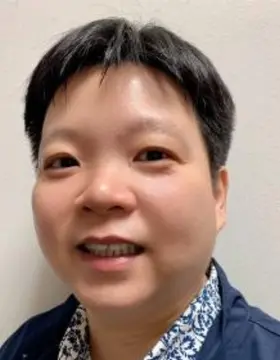
Florence Cheong
Adj A/Prof, Health and Social Sciences, Singapore Institute of Technology
View profile
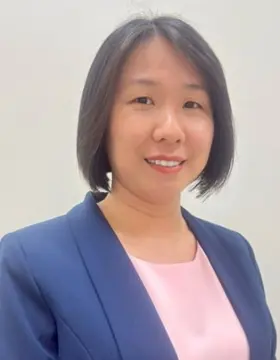
Ng Huoy Ling
Assistant Director of Nursing, Khoo Teck Puat Hospital
View profile

Hengky Lee
Principal Occupational Therapist, NHG Health
View profile

Lena Lye
Principal Medical Social Worker, NHG Health
View profile

Salan Chua
Principal Physiotherapist, NHG Health
View profile
Course Details
Day 1
| Time | Topics |
|---|---|
| 9:00 am | Welcome and Introduction |
| 9:30 am | Team-based Care and WHO-ICF framework |
| 10:30 am | Break |
| 11:00 am | Overview of biopsychosocial assessment in community Physiological and nutritional health assessment and interventions |
| 12:30 pm | Lunch |
| 1:30 pm | Physical health and functional assessment and interventions |
| 3:00 pm | Break |
| 3:15 pm | Home environment assessment and interventions |
| 5:00 pm | Prioritization of care needs and collaborative goal-setting as a team |
| 6:00 pm | End |
Day 2
| Time | Topics |
|---|---|
| 9:00 am | Recap of Day 1 |
| 9:30 am | Readiness for change and education approach to promote healthy behaviours |
| 10:30 am | Break |
| 11:00 am | Cognitive health assessment and interventions |
| 12:30 pm | Lunch |
| 1:30 pm | Mental health assessment and interventions |
| 3:00 pm | Quiz |
| 3:45 pm | Break |
| 4:00 pm | Caregiver assessment and support |
| 5:00 pm | Summary and Follow up |
| 6:00 pm | End |
Certificate and Assessment
A Certificate of Attainment will be issued to participants who:
- Attend at least 75% of the course
- Undertake and pass non-credit bearing assessment during the course
Participants who meet the attendance requirement but do not pass the assessment will receive a Certificate of Participation.
Assessment Plan
- Mode of assessment: Quiz and post-course assignment.
Fee Structure
The full fee for this course is S$2,398.00.
| Funding Category | Eligible Funding | Course Fees Payable After Funding |
|---|---|---|
| Singapore Citizen (Below 40) | 70% | S$719.40 |
| Singapore Citizen (Above 40) Funded under SkillsFuture Mid-Career Enhanced Subsidy (MCES) | 90% | S$279.40 |
| Singapore PR / LTVP+ Holder | 70% | S$719.40 |
| Non-Singapore Citizen | Not Eligible | S$2,398.00 |
Note: All fees above include GST. GST applies to individuals and Singapore-registered companies
For Organisations
Interested in this course for your business or team?
Tailored to your organisation's specific training needs, we can help you design and develop custom courses to grow key talent and build specialist expertise to meet the future demands of work.
Course Runs
New Engineering Micro-credentials Launching Soon!
Exciting news! We are introducing new micro-credentials in Electrical and Electronic Engineering & Infrastructure and Systems Engineering. Be among the first to know by registering your interest today! Register now →